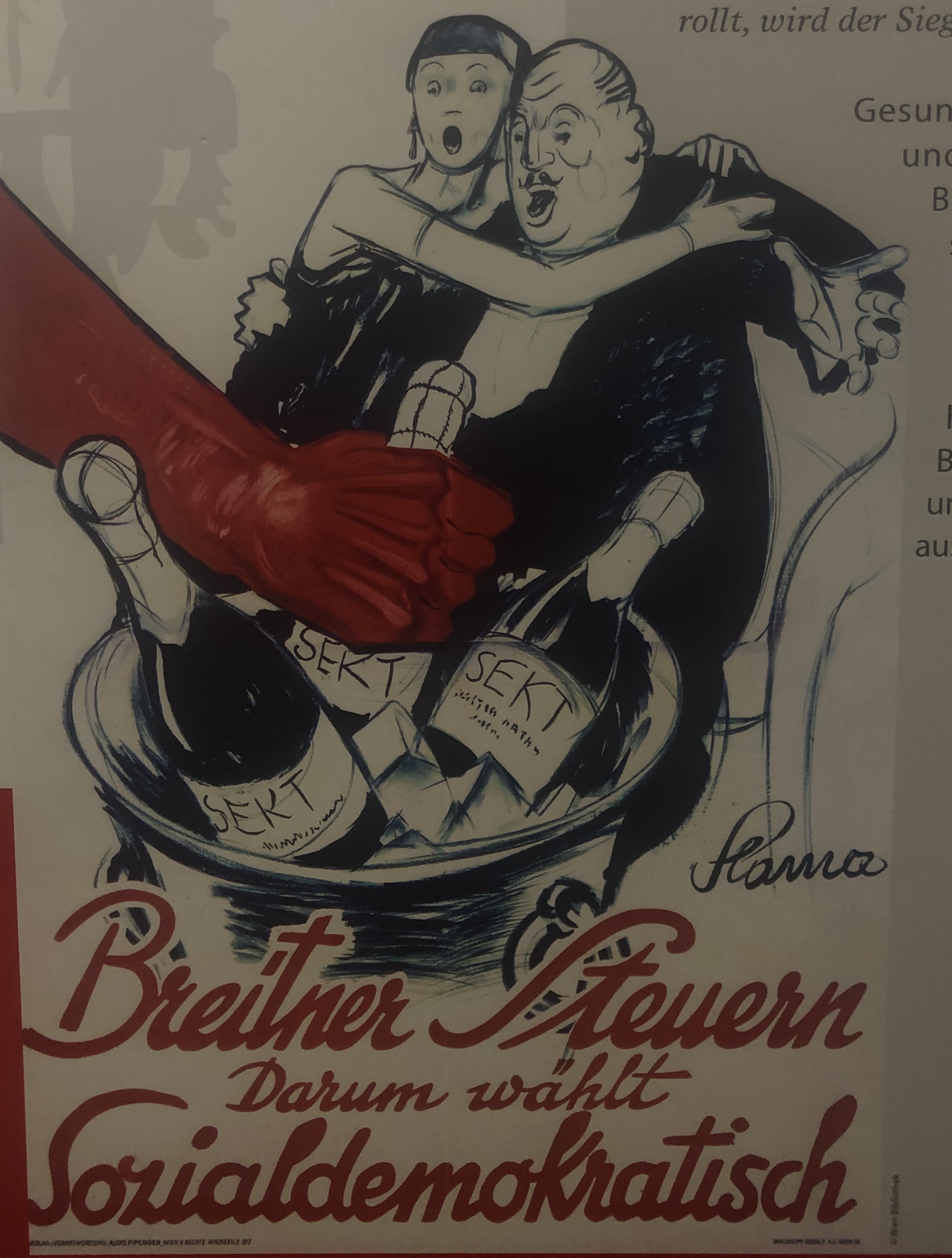
In the early 1900’s, Vienna hit a wall: the Viennese were stuck in this struggle of change, figuring out how to preserve the old and revolutionizing the new. Architecturally, this struggle became dominated by aesthetics rather than purpose or social change. The result was repression of anyone that was not of the upper class. This repression prevented advancement of the people in the lower classes to comfortable living or proper access to health care, while the city worked to glorify those in the upper and noble classes. From our time in Vienna, it became evident that the need for a change in society loomed over the city builders’ minds and led drove the creation of the surrounding city.
The struggle began with the construction of the Ringstrasse in the later 1800’s. This ring was considered “the great representational buildings of the bourgeoisie” (Schorschke 33). Essentially, this whole construction project was exclusively governed by two goals: “representation” and “beautification of the city image” (73). The representation of the buildings took priority over everything, including the need for low-income housing (46). Inside this ring, there are magnificent white buildings, including those of parliament and town hall. Around the Ringstrasse, there were many monuments built around the ring that directly reflect part of the preservation process. Even the university in the middle of the ring was crafted to look like a noble building. Because of the two goals of the project, all of the funding and efforts went to building showy, large structures rather than addressing other social needs of the people.
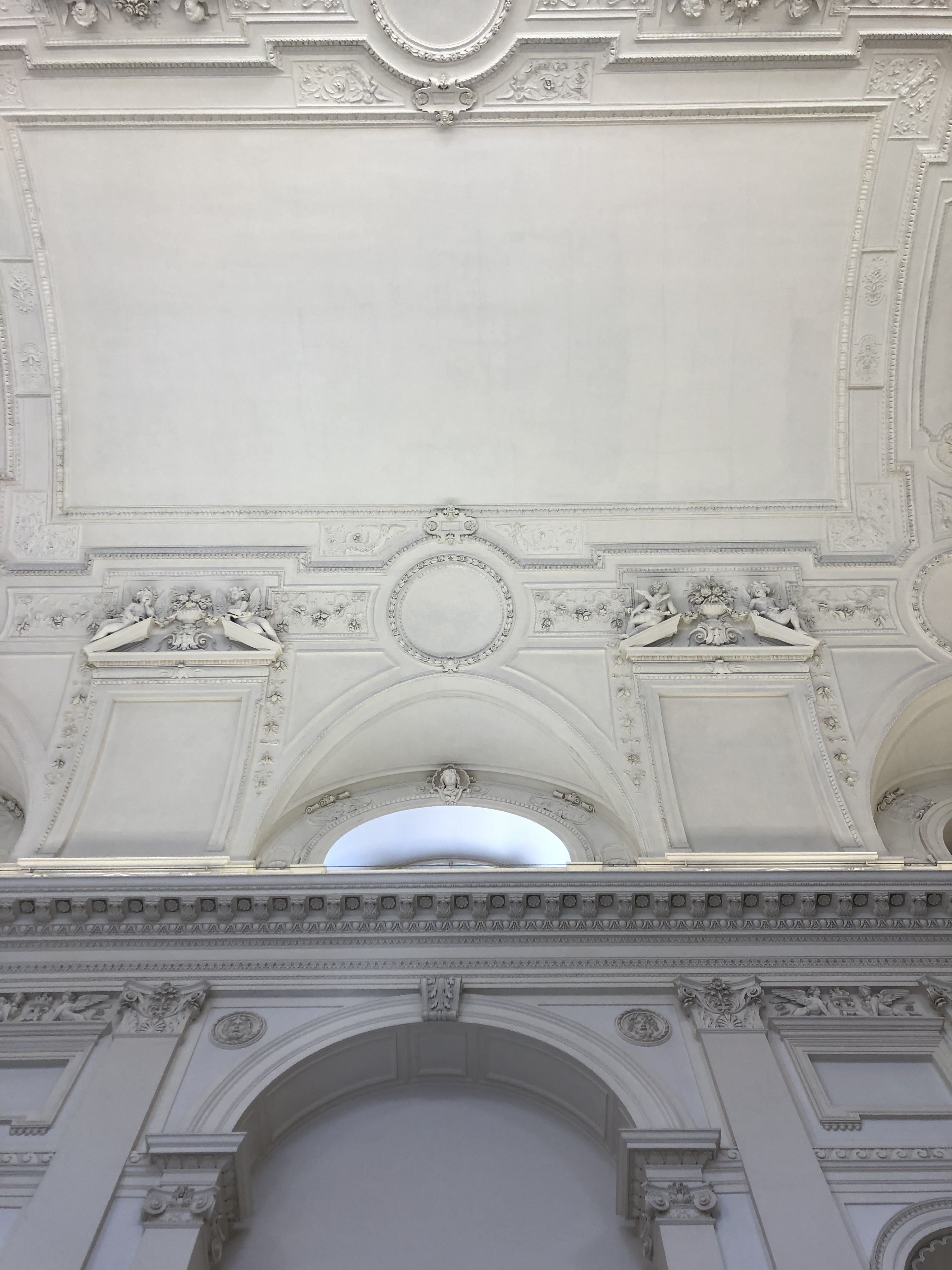
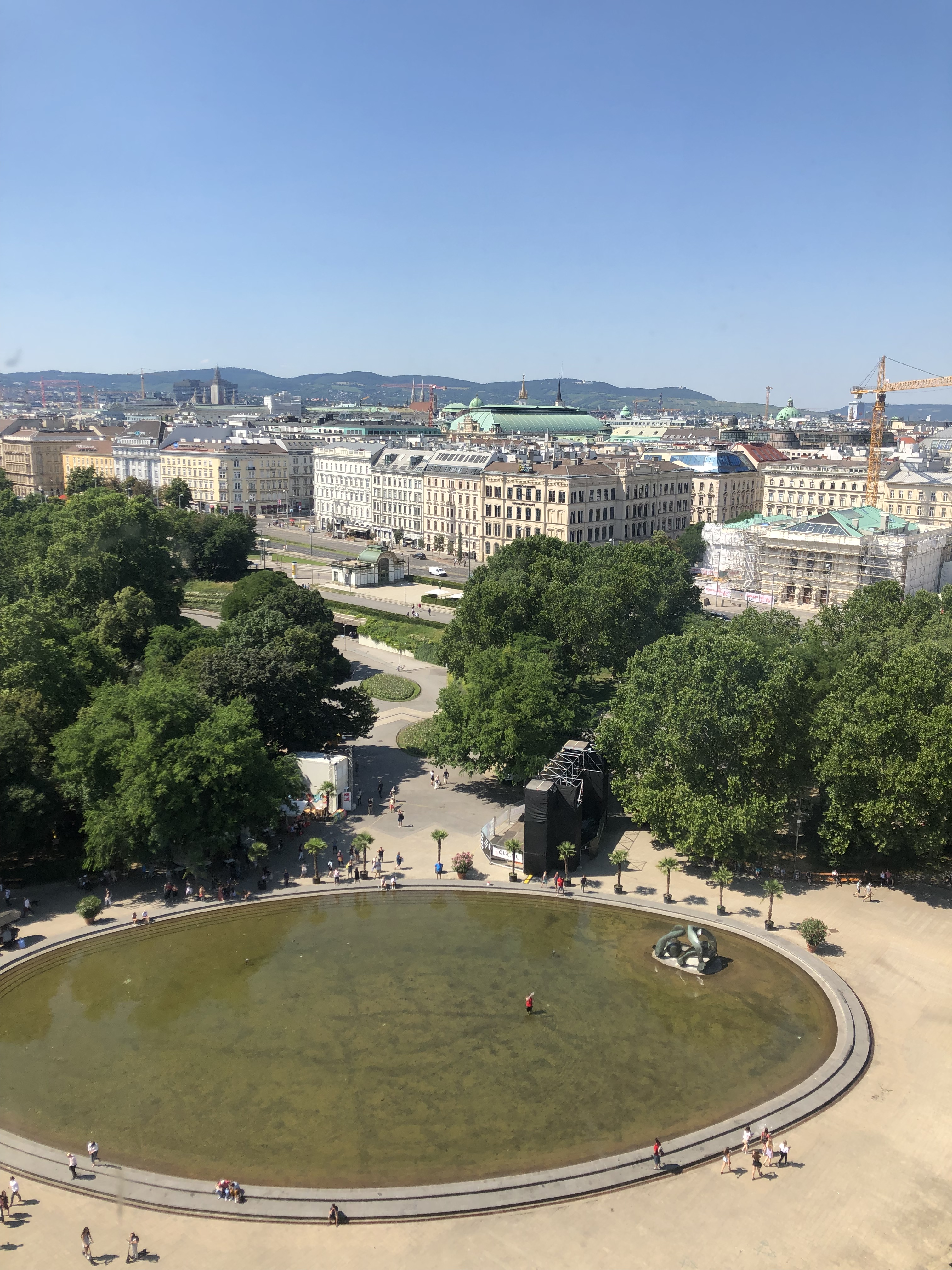
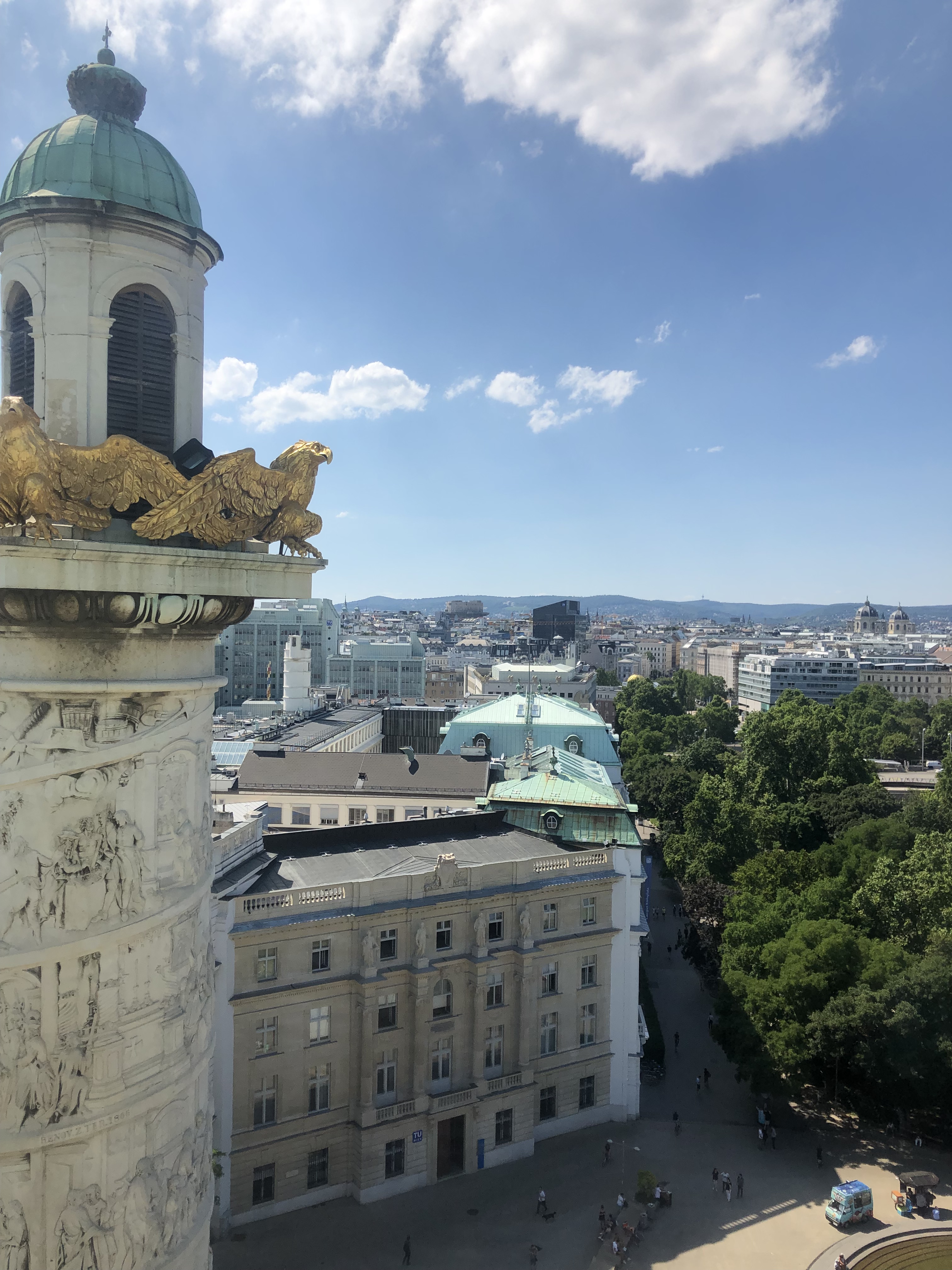
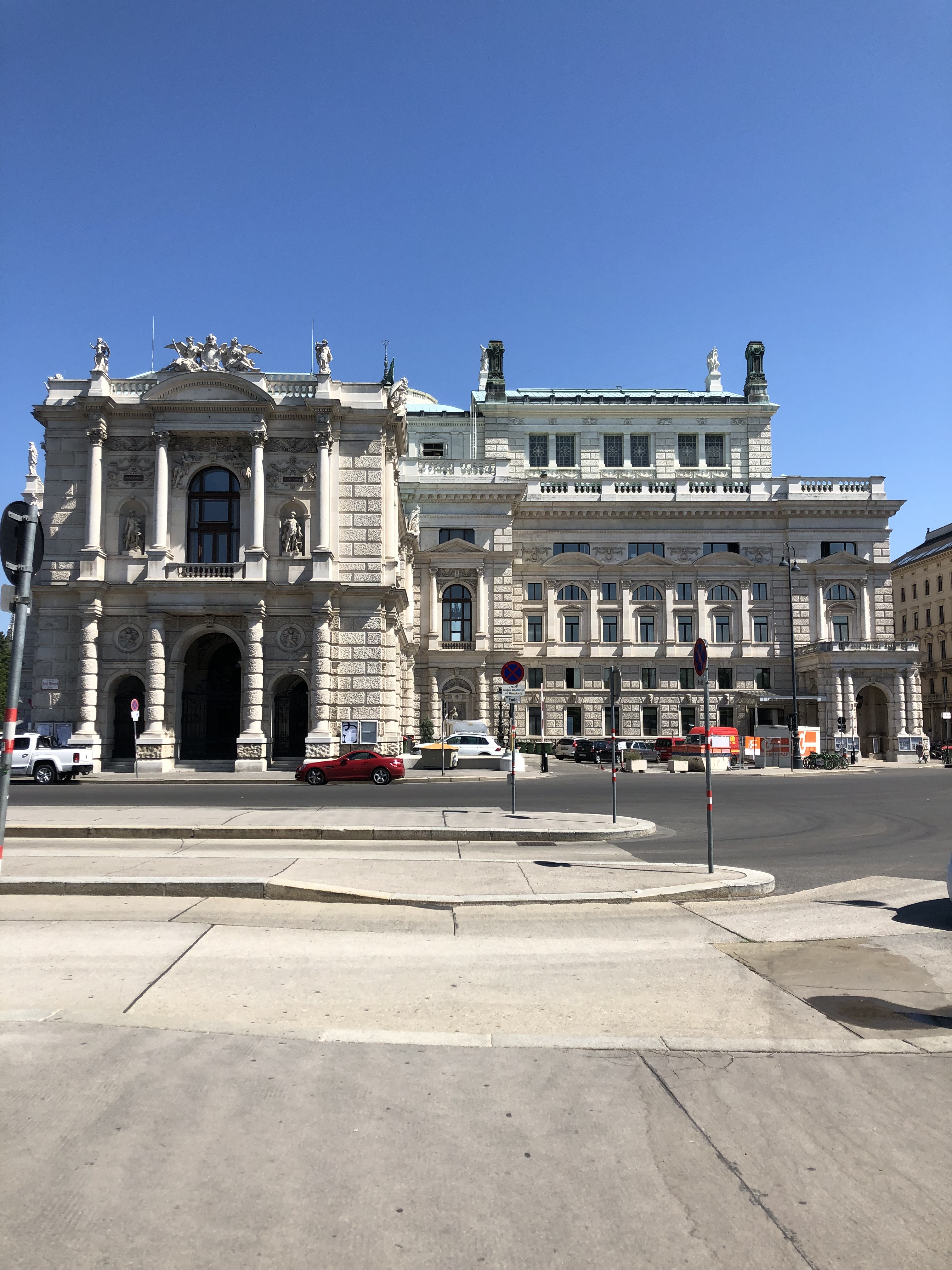
Viennese people that were not of the upper class struggled to find decent housing during this time. There was little being built to help their needs. Working people were clumped together in small spaces, having to share beds with “minimal sanitation” (Parsons 239). According to the tour of the Marx Hof building, there was also no running water and little ventilation. The close quarters called for widespread of tuberculosis during this time as well (239). These buildings were also not very affordable, for the public, as the bills were a quarter of what these workers would make (239). These were the social issues that were neglected because of the dedicated focus on city image. These issues were eventually resolved through the social movement of Red Vienna, but city’s spending exposed the true priorities of the city. The priorities brought on anxieties and frustrations.
London similarly faced a re-establishment crisis, although not in the same time period. In this re-establishment period, city builders were given the power to rebrand the city. This focus extended towards establishing as a global powerhouse, demonstrated through the architectural surge during this time. Specific areas that demonstrate this movement include the modern buildings of Llyod’s bank, the Cheesegrater, and the Gherkin in the financial sector.
The modern buildings in the financial district area of London sharply contrast the older buildings, demonstrating a new message being sent about the city’s powerful status. The buildings were darker and made of glass, imposing a new type of power on the city. The tall skyscrapers, for example the Trellis, “speak for the dominance of the global financial market as a driving force in Western society” (Simpson Par 4). Walking around the district, there was a clear feeling of exclusivity. The workers were all dressed in business suits, and few buildings in the area allowed public entrance. These buildings were proposed to be a place for all people to enjoy when they were first introduced to the city planners. However, this idea was sacrificed once the buildings were made and they ended up becoming an exclusive center instead.
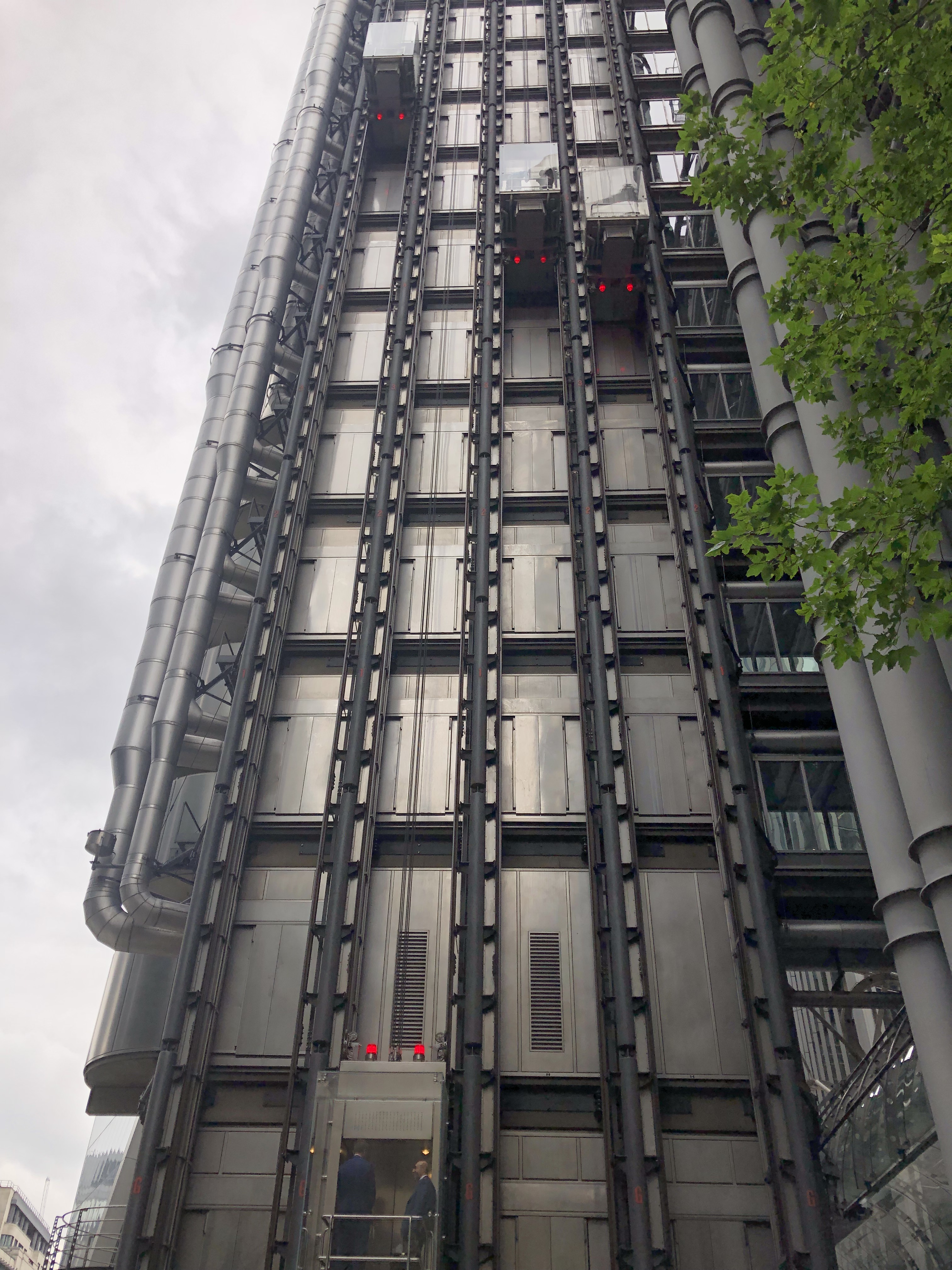
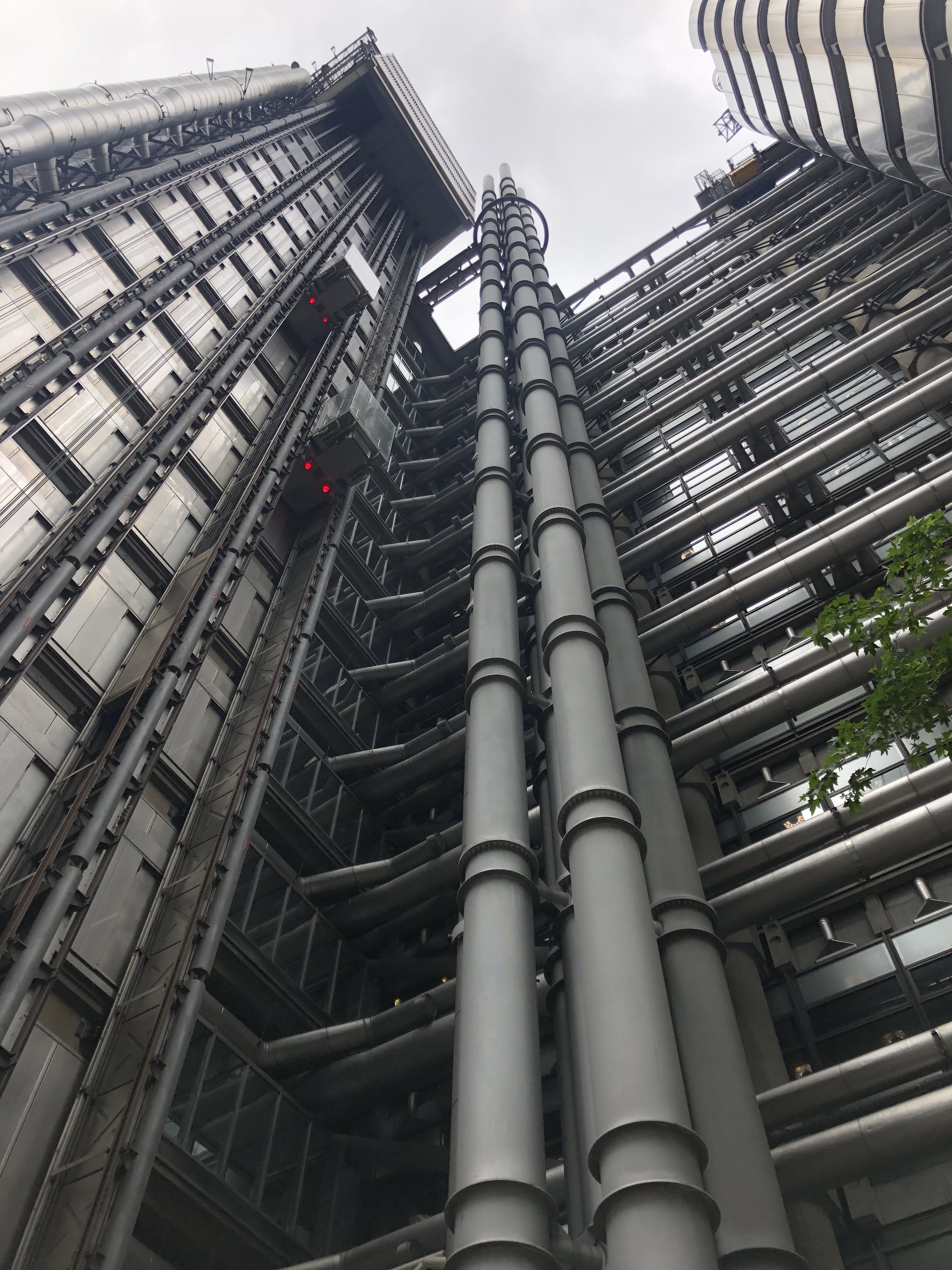
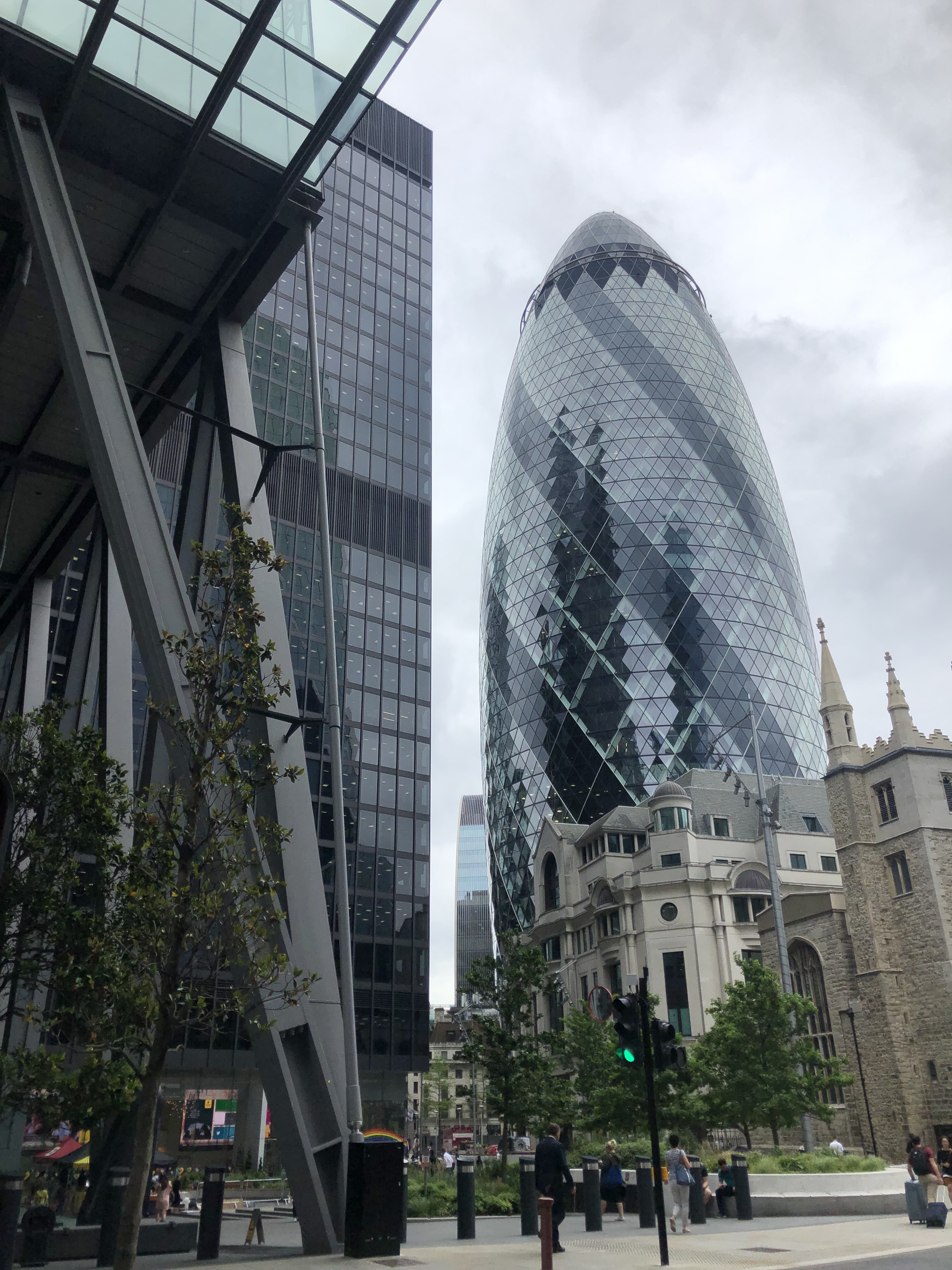
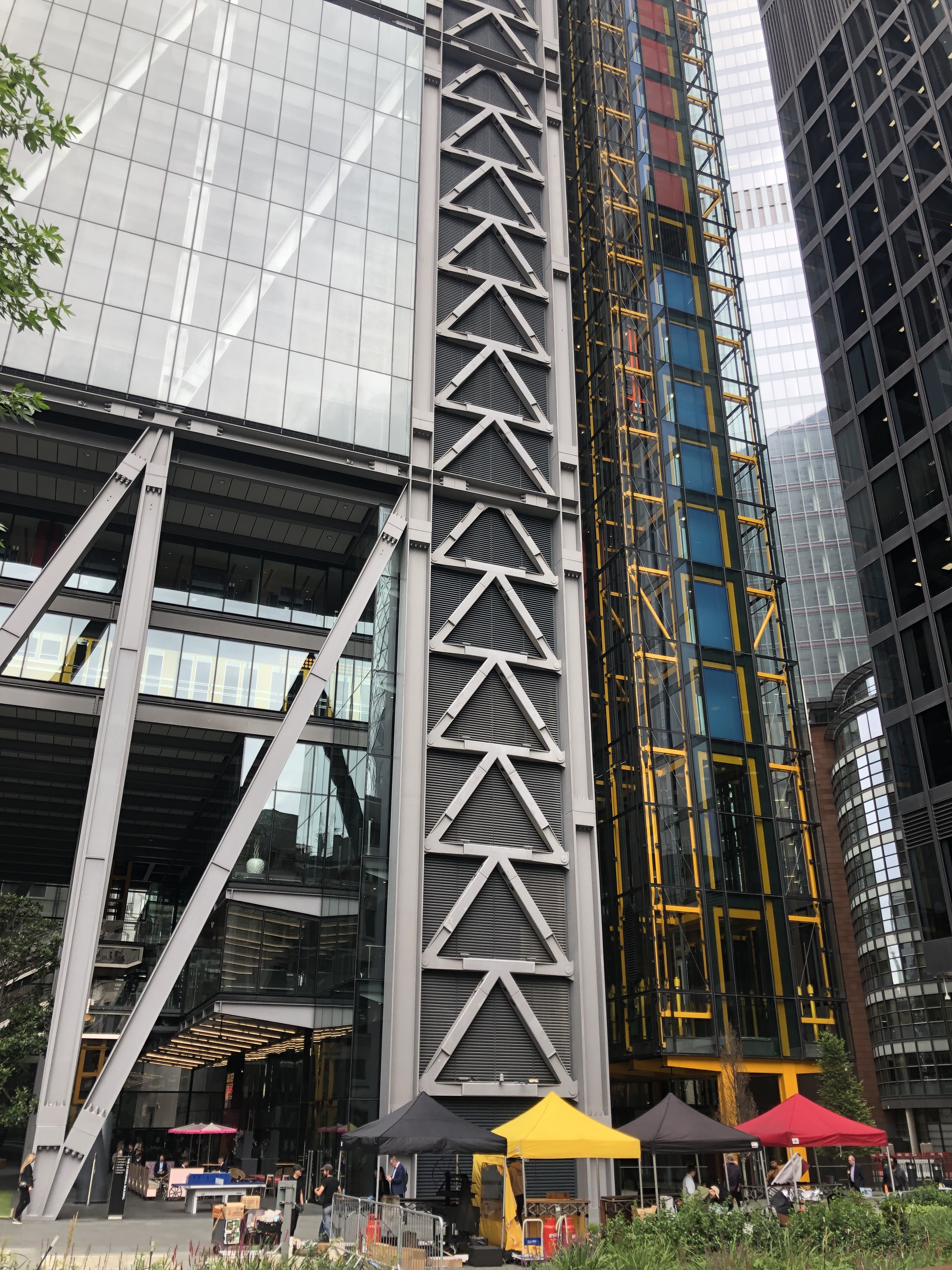
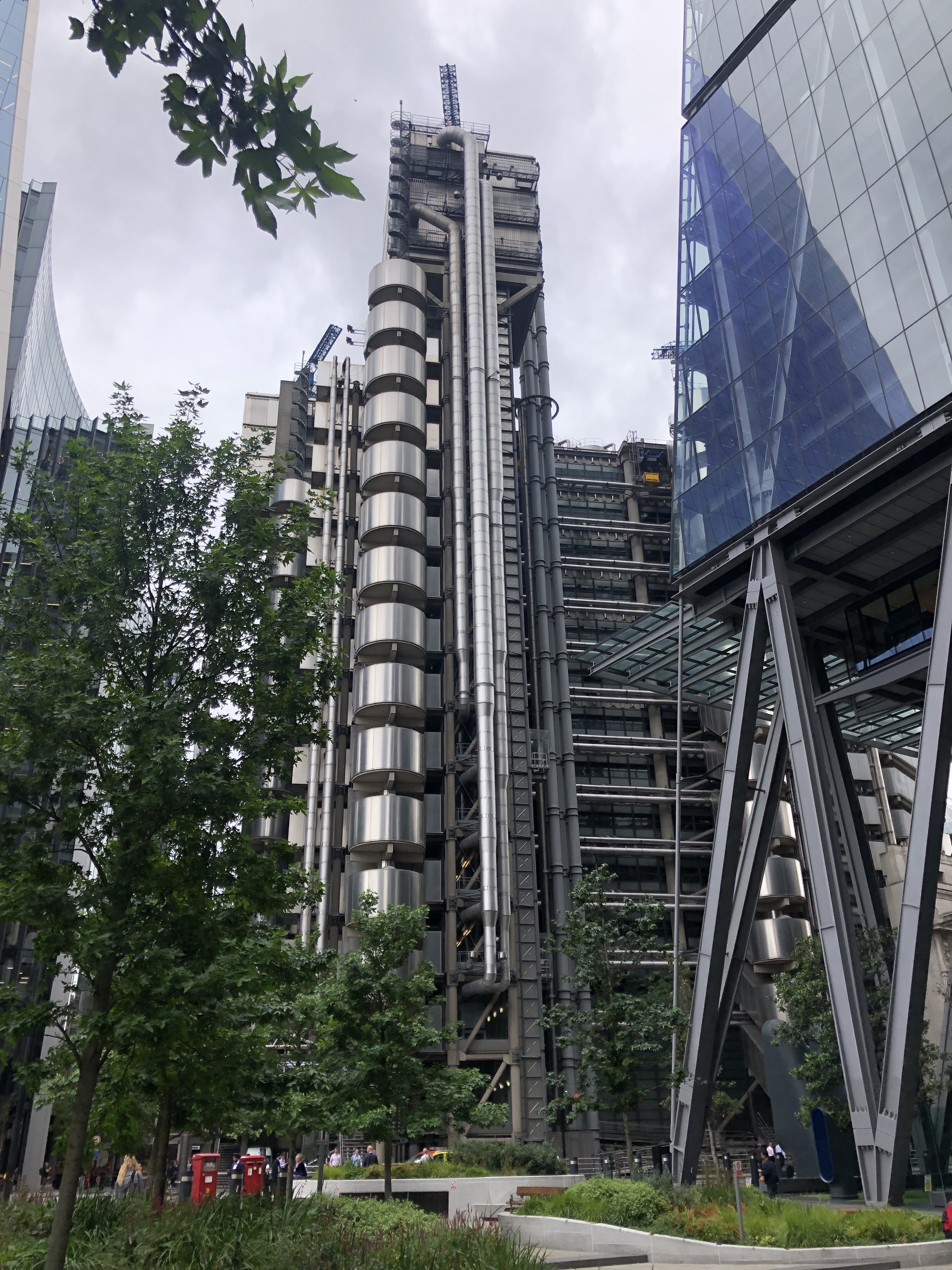
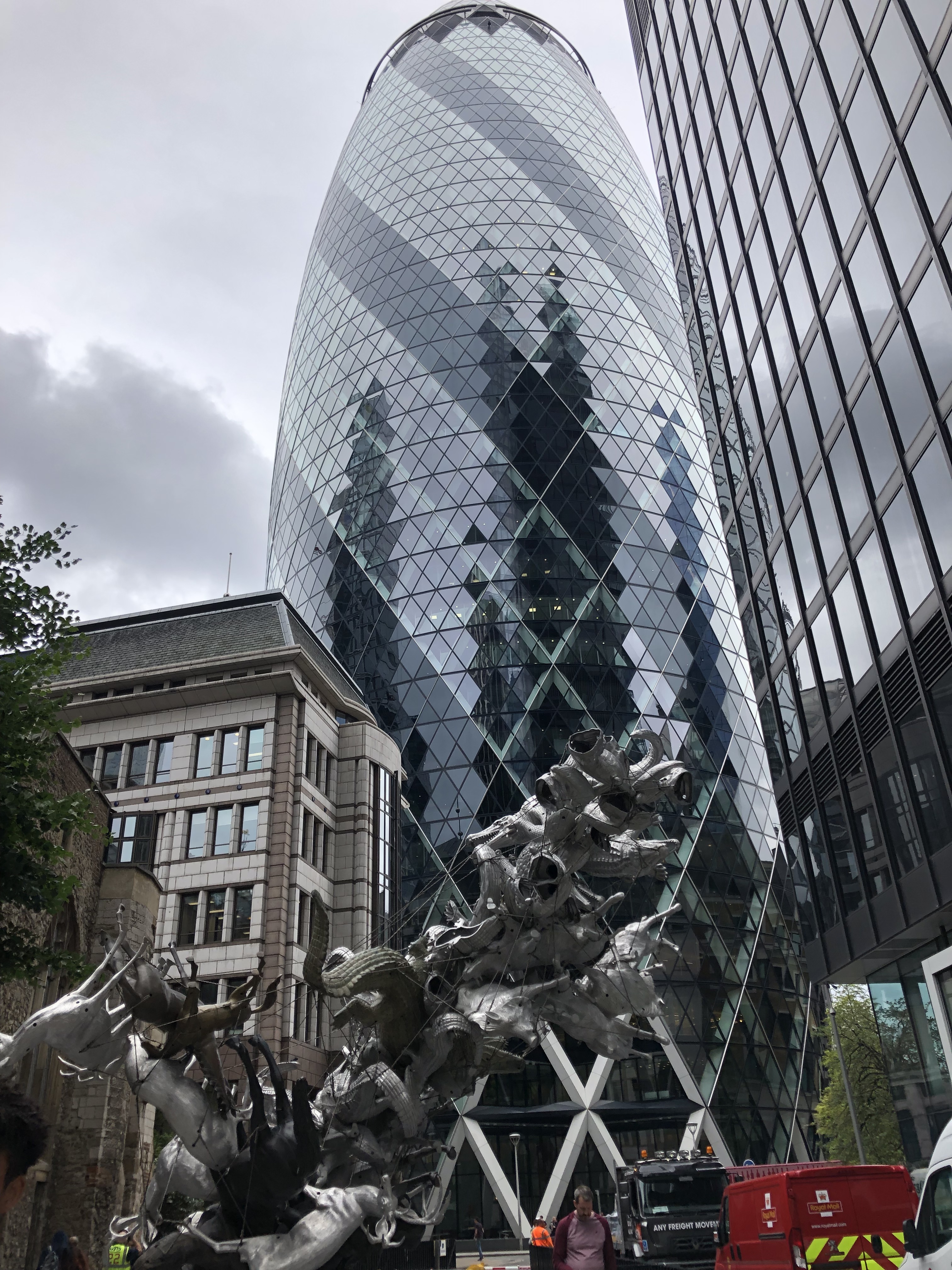
Both cities have displayed dedication to a strong global appearance and disregarded the inclusivity of all social classes in the process. In a sense, both cities experienced repression of the lower classes by inaccessible buildings and exclusive areas that demonstrated wealth and power.
The early 1900’s brought forward changes of the view of neuroses. The societal change repressed the lower classes of society, and this change and inspired various different ideas that challenged life outlooks. These changes are observable through the emerging art. The secession movement, where artists “advocated for artistic independence”, almost seemed like a search for individual identity (Sedel 15). The secession movement artists played with the ideas of social classes, specifically Gustav Klimt. He painted a lot of portraits with features of gold paint and glitter effects, most likely to explore different relationships between the self and power.
The city’s solution to the growing “madness” in Vienna was to build sanitoriums for the people. The Purkersdorf Sanatorium largely focused on improving the physical parts of neuroses. According to Topp in An Architecture for Modern Nerves: Josef Hoffmann’s Purkersdorf Sanatorium, these buildings featured solutions to the cramped lifestyle of Vienna around this time, “the most prominent feature of many of these building was generous fenestration, with windows often specially designed with individually manipulable sections, allowing for the control of the passage of air through each room” (421). While the lack of sunlight and proper ventilation were issues that Vienna faced, they stole the attention away from other treatments that could have helped the patients more. The sanatorium became a “bulwark against the threatening ambiguities of Freud’s theories” (415). The sanatorium’s purposeful ignorance of Freud’s theories suggests that the institution’s concerns of building a newer and healthier society may have prevented proper attention to the actual patients that were there, but rather served as a statement to erase this mental illness stigma from the city itself.
Around the same time, Wagner built the Steinhof Psychiatric Hospital. There were a lot of improvements that were made here, that the construction of this institution was to exert an effort to “improve and control modern life” (Topp 130). This building was constructed to be more of a community, with many buildings and garden area. Wagner’s efforts went into constructing the ornately decorated church that was on the top of this hill. While this was a step in the right direction, the isolation of the complex leads me to believe that the prisoners may have felt alienated from the rest of the community that they left behind. While the area was beautiful, and the air was clean, this structure seemed to be an attempt to clean up the social stigma that was behind it, similar to the Purkersdorf Sanatorium. The building’s location was not easily reachable by the public, making it physically “erased” from the eyes of the city. The placement of the Steinhof seemed to be better for society rather than what is better for the people living inside of the hospitals, as they were isolated from the areas that they lived.
These two structures were criticized for their prioritization of society’s needs over the patients. However, the hospitals in Vienna were built from the learned mistakes of the asylums that were built in London prior in time. The Bedlam estate was a madhouse in London in the seventeenth century. The city builders had built this establishment that had a worldwide presence for itself. The outside was beautiful, it was built with royal motifs and was loosely designed ‘upon the model of “Tuileries Palace”, which was decorated with gardens and columns’ (Ackroyd 609).
The inside of the structure was completely different than the outside of it. The inside was compared to a prison and a zoo at the same time. The rooms inside were full of gated cells with iron gates (Ackroyd 610). This “housing” had no light or air either, the people were seen as having some type of “disorder” (611). This type of structure did not do anything to improve the condition of the patients. In fact, the condition of the patients worsened here. Mechanical restraint was used to keep the patients under control, the opposite of an environment that would support mental growth. The patients that were in here were displayed like animals in a gallery, that the “distempered fancies of the miserable patients most unaccountably provoked mirth and loud laughter in the unthinking auditors, and the many hideous roarings, and wild motions of others, seemed equally entertaining to them (610). The Londoners outside of the mental hospital were accepting of this inhuman behavior, and the attraction spread among the citizens around the nation to come and observe the mentally ill.
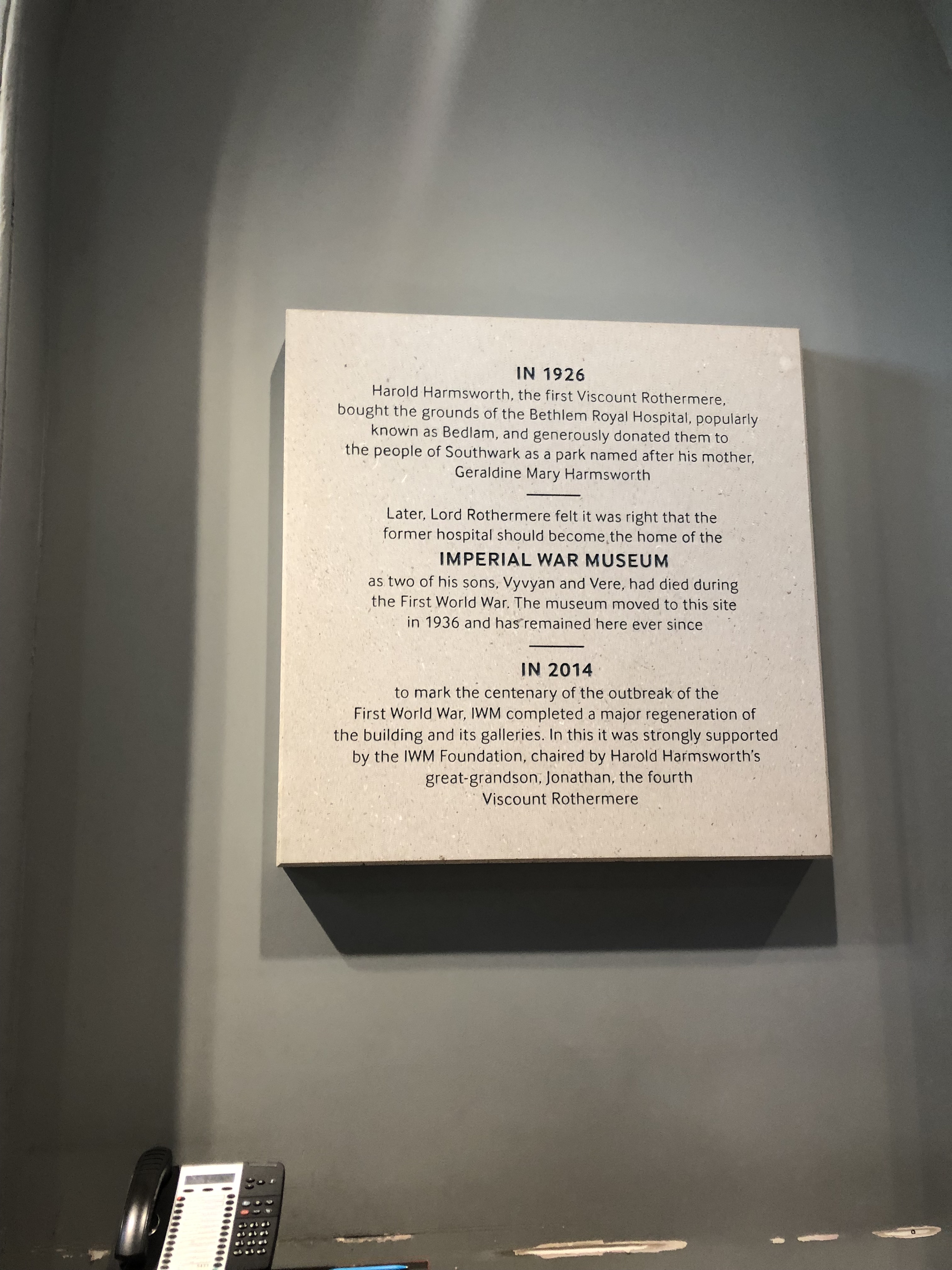
Coming to London in 2019, there is little evidence of this building existing. The buildings where the Bedlam hospital used to be are now being repurposed. The Bedlam hospital building site is not dedicated to commemorating any horrors committed here, nor those that lost their lives in this environment, but rather to glorify London’s participation in the World Wars. The Imperial War Museum has many plaques and statues in the gardens, along with inside the museum. There was only one plaque that recognizes the existence of the hospital, and only about 1/3 of it actually mentioned the hospital before commemorating the war museum. The lack of recognition of the mental hospital is London’s way of purposefully forgetting the acts that were committed, erasing this time from its history. In this way, London is cherry picking the history that it wants to be remembered from and erasing their treatment of the mentally ill.
From my experiences in London and Vienna, it is evident that there lies a crisis with how societies emphasize appearance over the treatment of their people. Specifically, when “madness” arose in their cities, they dealt with the issues in a way that covered up the issue without genuinely helping the people that were involved.
Part two:
After visiting Europe and observing themes of madness causing wrongdoings, I observed around my hometown area to find evidence of existing cultural discomfort. It was interesting to have fresh eyes on a place that I had lived my entire life, to think about everything that has either been sugarcoated or looked past for the sake of not acknowledging its wrongdoing.
I live right next to the border of the Gila River reservation, so I decided to do some research on the history of the land. The Gila River page explained the history of the last two centuries a lot differently than we learned about it in school. In the 19thand 20thcenturies, there is a lot of dark history that the United States, and even more specifically Arizona, did not touch on in school.
Time and time again, the United States has repressed the early inhabitants of the land. Non-native farming originally hurt this tribe in the 1870’s and 80’s, when they built structures and dams that ruined the Native farming techniques and caused “mass famine and starvation” for about 40 years (“History” Par 3). The Federal government responded to this by providing canned and processed food, but for a group that is used to eating freshly grown food, this caused high rates of obesity and diabetes—in which they still struggle with today” (Par. 6). From these struggles, the people of the tribe lost their source of income, continuing the poverty, had decreased health, experienced alcoholism, and a loss of cultural and artistic traditions and rituals (Par 6).
Currently, there is a freeway that is being built right near the border of the Native American land, the continuation of the 202 West Freeway. This portion of the freeway has been debated for over 30 years, by both the reservation and non-reservation inhabitants. In 2015, the Gila River Indian Community filed a lawsuit to prevent the construction of the freeway to protect the environment, as well as avoid further harm to the historical and cultural resources (Coppola Par 2). There have been many environmental groups going back and forth about the pros and cons of the freeway construction.
The construction that I have witnessed so far has included blowing up hills and removal of plants that were in the way of the new freeway’s location. I’ve spent seven years running along the paths and have firsthand seen the wildlife that inhabits on South Mountain. I, along with many others. enjoyed the peaceful trails that were available in this area. Support for the freeway has had wavering support for three decades, but it is undeniable that the loss of this natural land is a bummer to see. Not only will the immediate land that is being built on be affected, but the surrounding land will see the effects of increased noise and pollution.
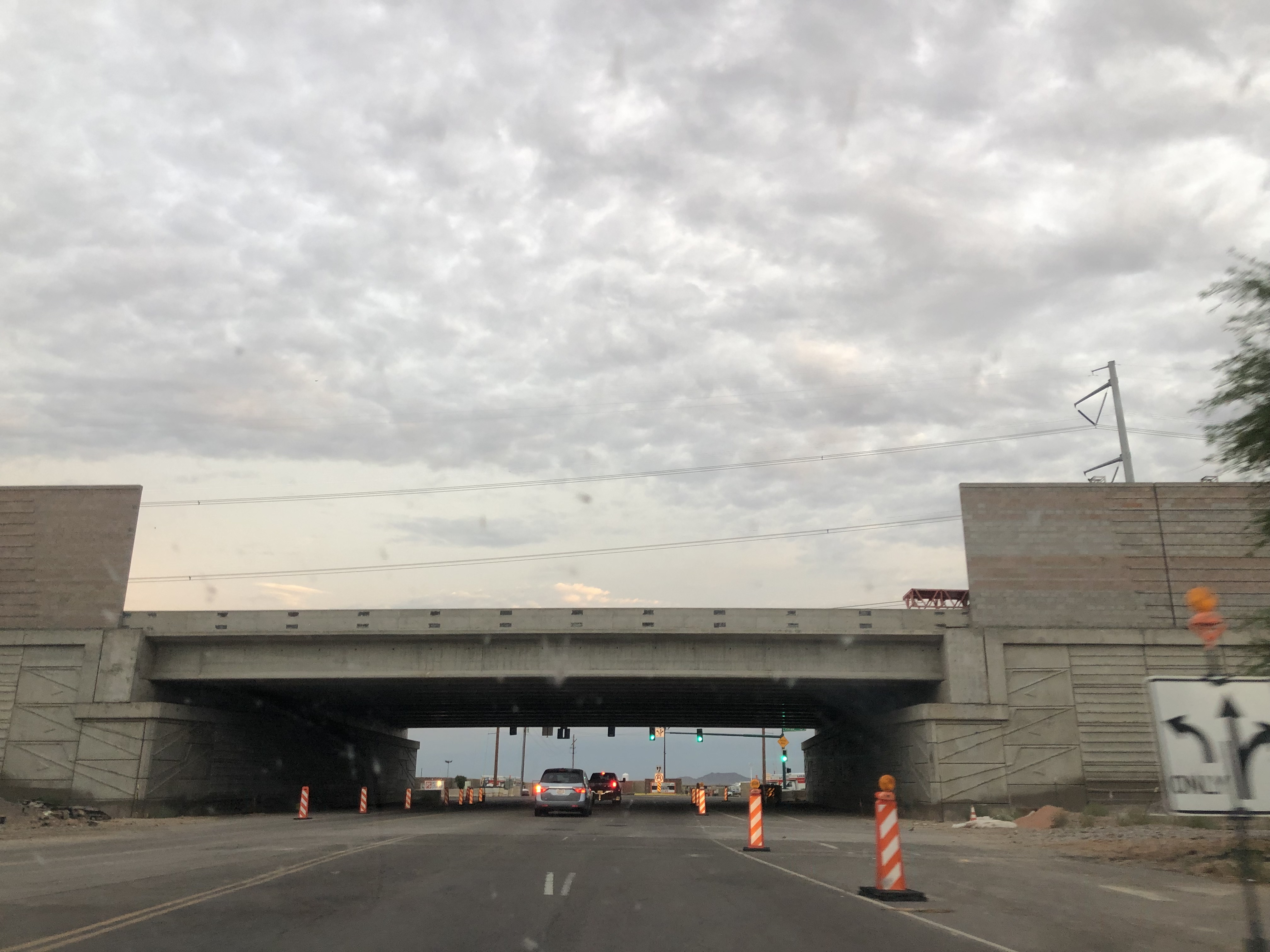
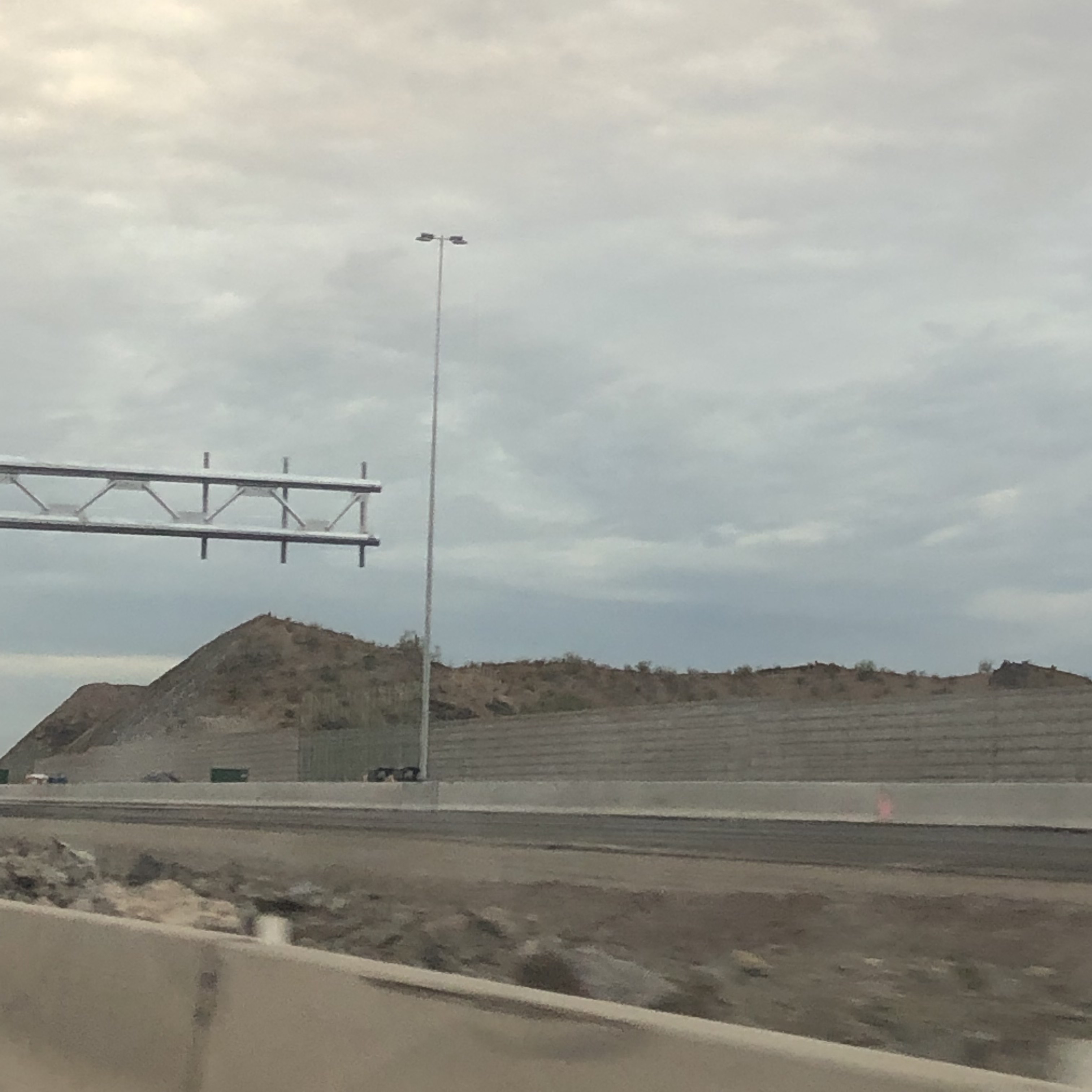
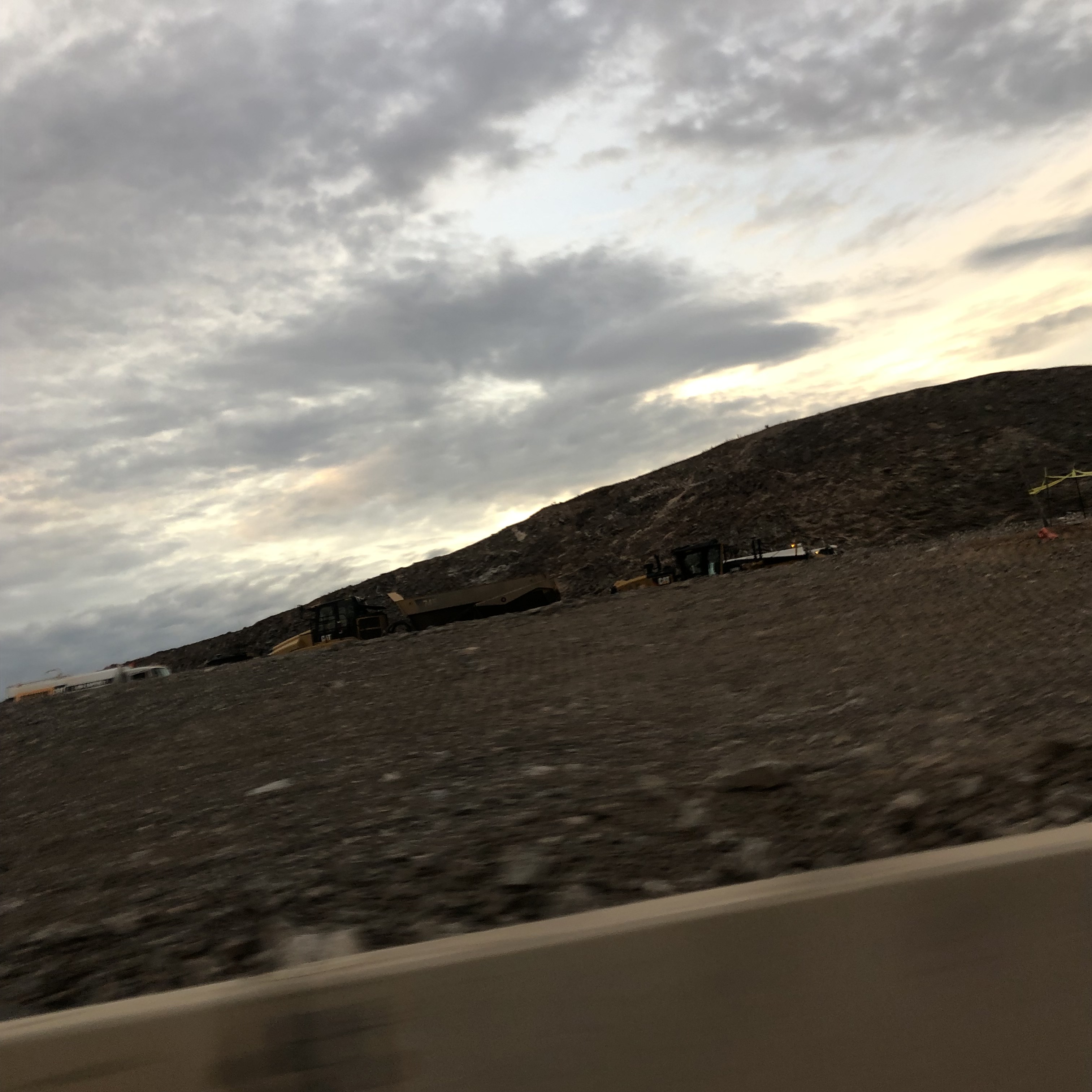
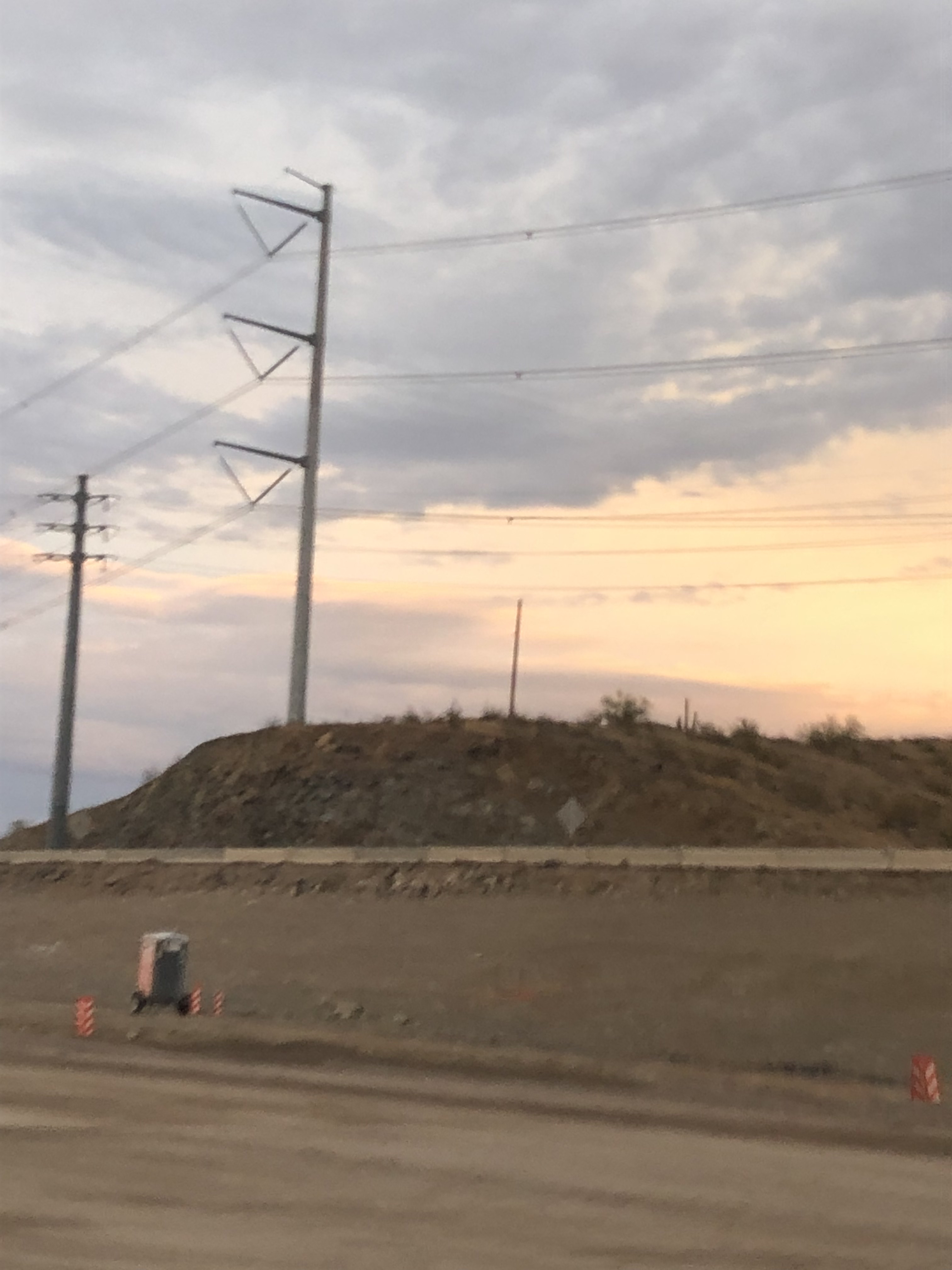
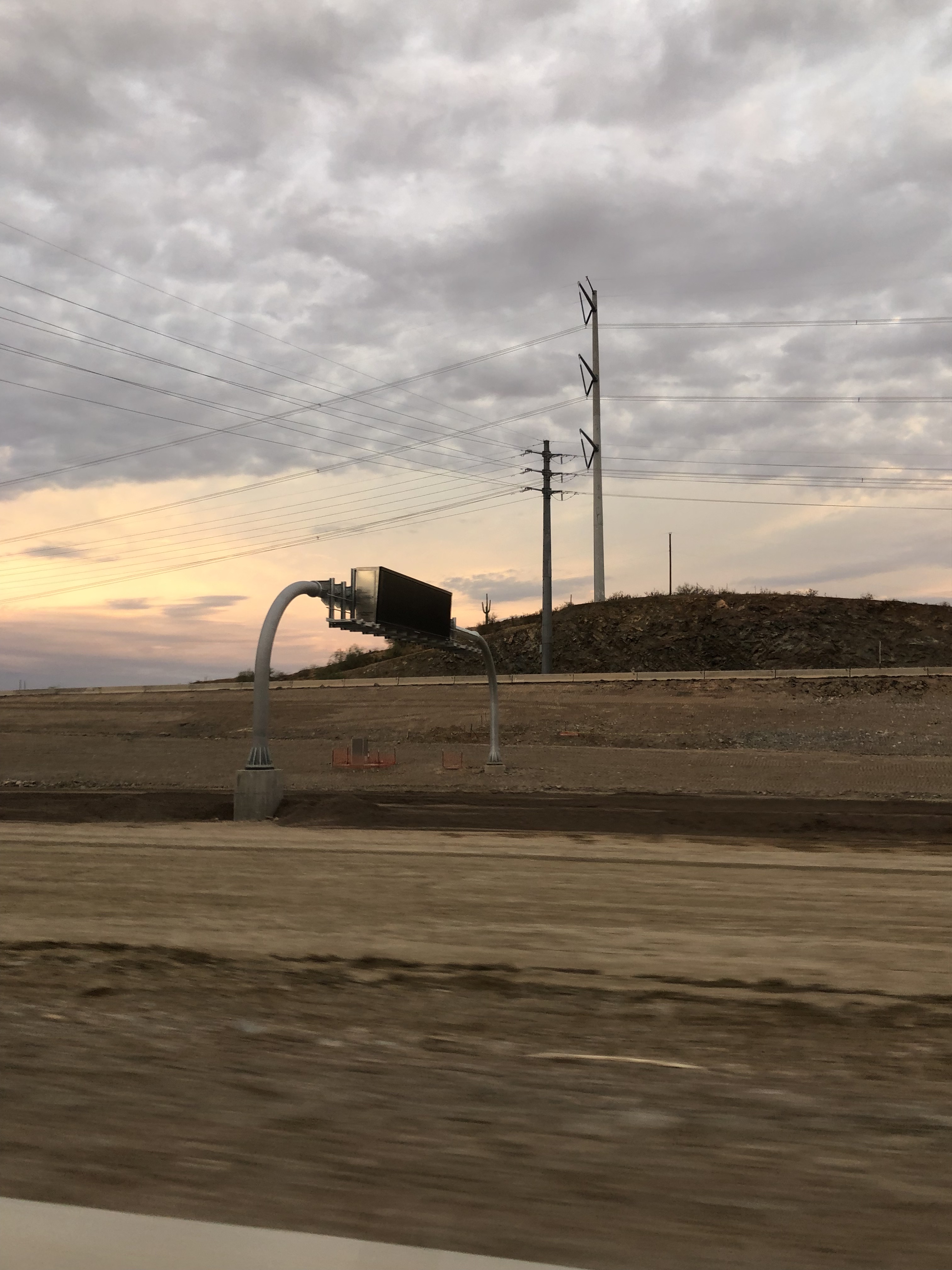
The Gila River Governor Stephen Roe released a statement about the land that the freeway will affect, that “it is a prominent part of the community’s oral traditions and ceremonial activities, all of which are ties to the natural environment. The proposed freeway would destroy parts of three ridges of South Mountain and also would destroy or alter many trails, shrines, and archaeological sites that constitute significant cultural resources for the community and its members (Coppola).
The construction of the freeway is another demonstration of how the United States Government has disregarded the Gila River tribe, and Native Americans in general. Historically, the United States has lied, cheated, conquered, and conducted genocide against the Native Americans.
While there is more acknowledgement about the acts of the United States in the 21stcentury than ever before, it is still extremely sugarcoated and not fully recognized for what it was, and still is. Social studies researchers have investigated the accuracy and explicitness of the curriculum of Native American teachings in public schools in the United States. This uncomfortable facet of history is taught in public schools through a rubric, and usually a lot of information is left out of the education (Smithers Par 11). This rubric is dependent on the state, and if they have social/political motivations behind them. The United States tends to lack in teaching information that challenges American democracy in fear of ruining patriotic spirit of the students (Par 4). It can also be stressful for students to talk about all of the issues that surround learning Native American histories, whether it is socially, politically, or environmentally centered (Par 3).
The limitations of education on the United States’ takeover of Native American land is one way that we drive a “motivated forgetting” of the events that have happened, and still do. The events that happened threaten our national pride and damage the name of the United States. It is an uncomfortable subject to teach and learn in school, taking on the form of an erasure of our history as we move on from these times.
This form of erasure is comparable to types of erasure that we have observed in Vienna and London. In Vienna, when faced with the upcoming issue of the mentally ill, the solution was for them to be slightly “thrown off to the side” to leave the public eye. The institutions at the time began the erasure process of the mentally ill through emphasizing the statement of the buildings, rather than focusing on the actual treatment. During this process, genuine treatment of the patients seemed to be a second priority to creating an image for the city. In London, the lack of public commemoration of the asylums is a form of erasure as well. The horrible repression of the mentally ill did not leave a positive image of London to society and is a motivating factor to forget this part of history.
The three countries analyzed all have tried to erase uncomfortable moments of history from the public eye to avoid a shameful legacy. Vienna focused on creating a strong architecture of the building over treatment, sacrificing proper treatment of the mentally ill. London purposefully chose to commemorate their involvement of the war to forget the poor treatment of their own people. The United States has a similarly shameful background involving the mistreatment of the Native Americans, and purposefully constructs a curriculum that leaves out details of our misdoing. All three forms of erasure wish to repress a shameful topic to uphold a positive name for themselves.
Ackroyd, London: The Biography (607-612)
Carl E. Schorske,“TheRingstrasse,itsCritics,andtheBirthofUrbanModernism,”inFin-de-Siècle Vienna: Politics and Culture (New York, 1980), Chapter 2 – pp. 24-115.
Coppola, Chris. “Gila River Tribe Sues to Prevent South Mountain Freeway.” Azcentral, Phoenix, 1 July 2015, www.azcentral.com/story/news/local/ahwatukee/2015/06/30/gila-river-tribe-sues-prevent-mountain-freeway/29536065/.
Freud, Sigmund. Beyond the Pleasure Principle, ed. James Strachey. New York: Norton, 1961.
“History.” Gila River Indian Community, www.gilariver.org/index.php/about/history.
Leslie Topp, “An Architecture for Modern Nerves: Josef Hoffmann’s Purkersdorf Sanatorium,” Journal of the Society of Architectural Historians 56, no. 4 (December 1997), 414-437.
Leslie Topp, “Otto Wagner and the Steinhof Psychiatric Hospital: Architecture as Misunderstanding,” Art Bulletin 87, no. 1 (March 2005), 130-156.
Nicholas Parsons, Vienna: A Cultural History, Oxford: Signal Books, 2008. (Excerpt)
Smithers. The American Historian, tah.oah.org/content/teaching-native-american-history-in-a-polarized-age/.
Simpson, Alex. “London’s Skyscrapers Tell a Rich Story about the City’s Worship of Finance.” The Conversation, 13 June 2019, theconversation.com/londons-skyscrapers-tell-a-rich-story-about-the-citys-worship-of-finance-69743.
 Architecture of Vienna