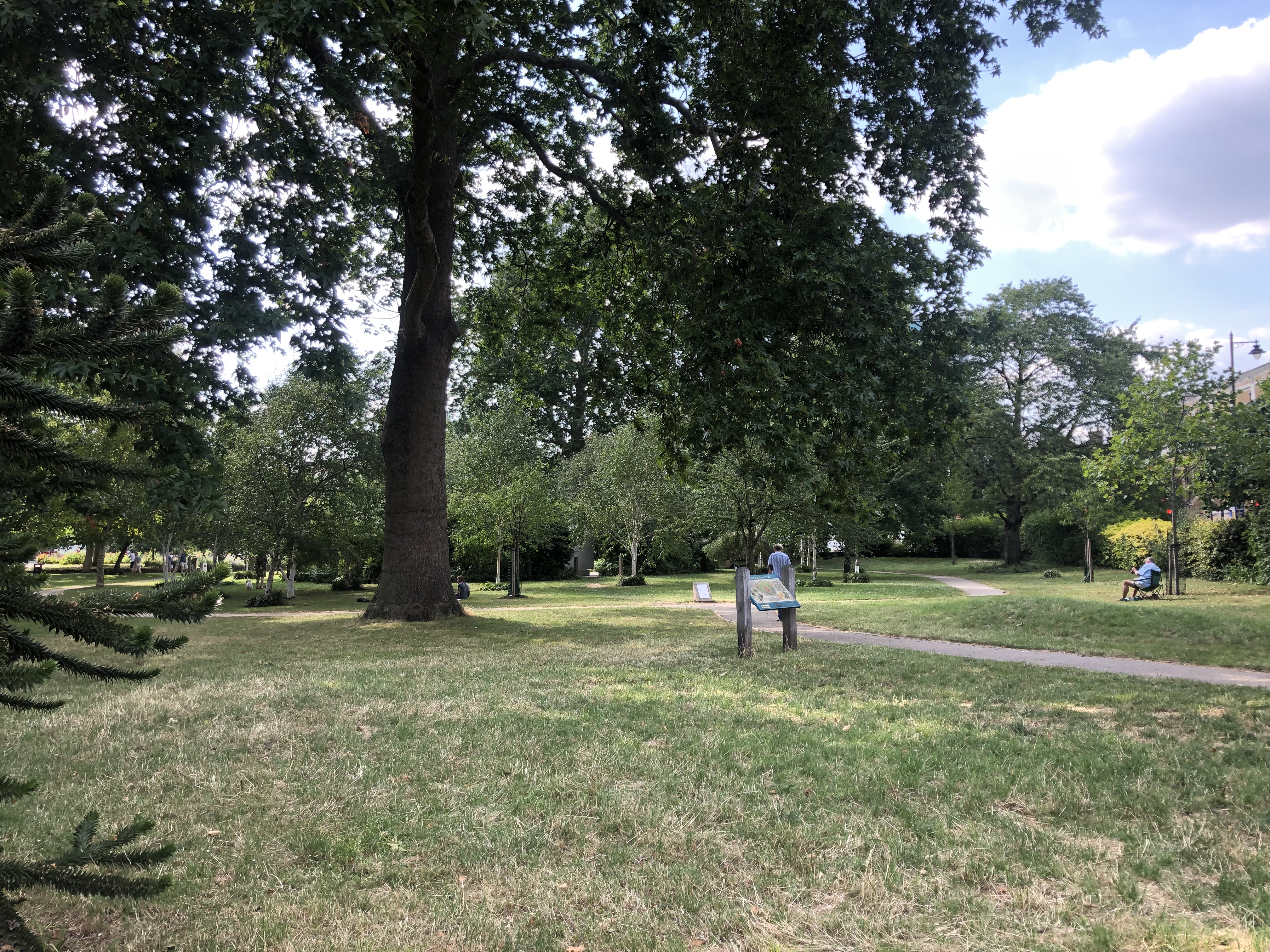
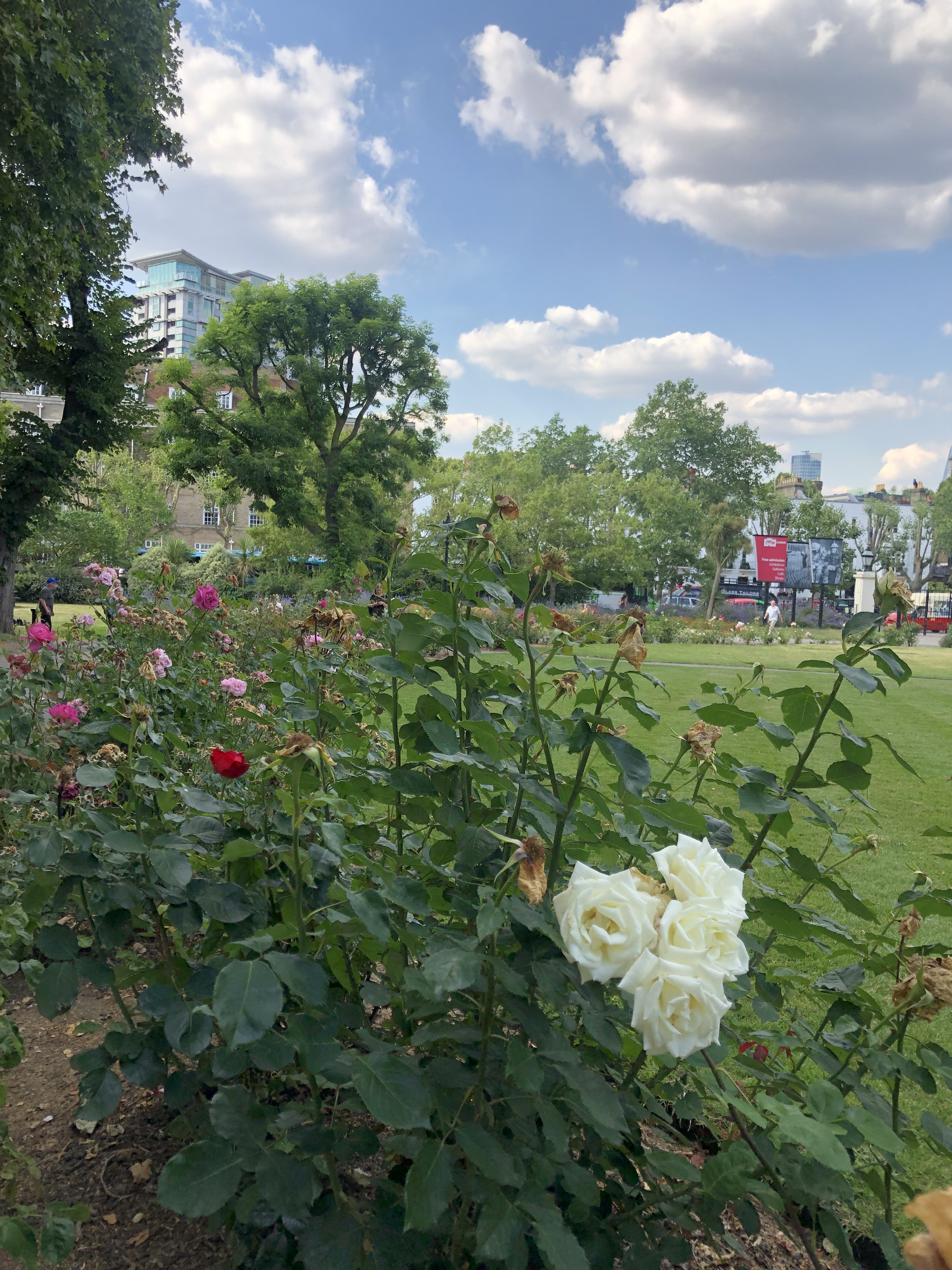
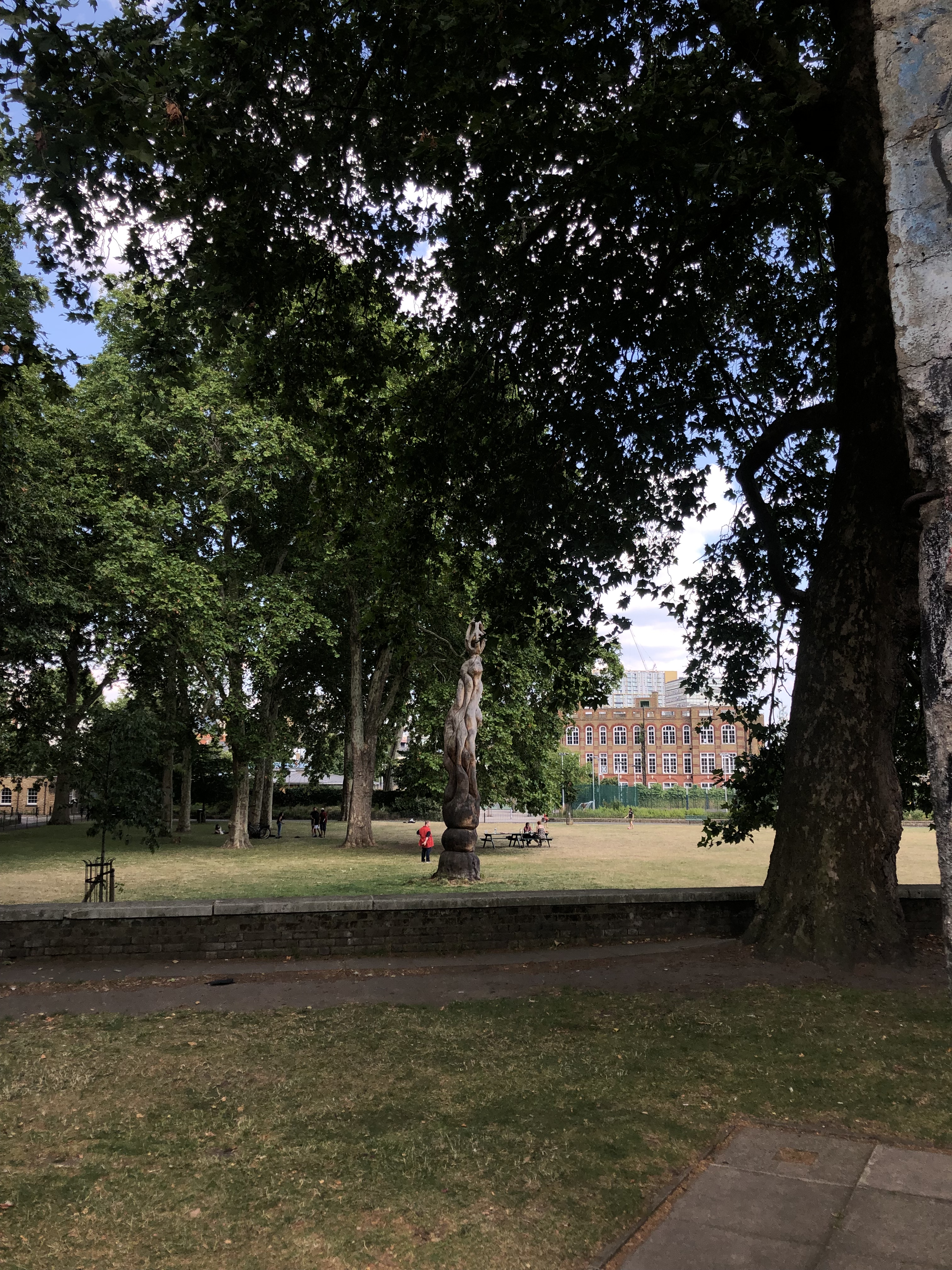
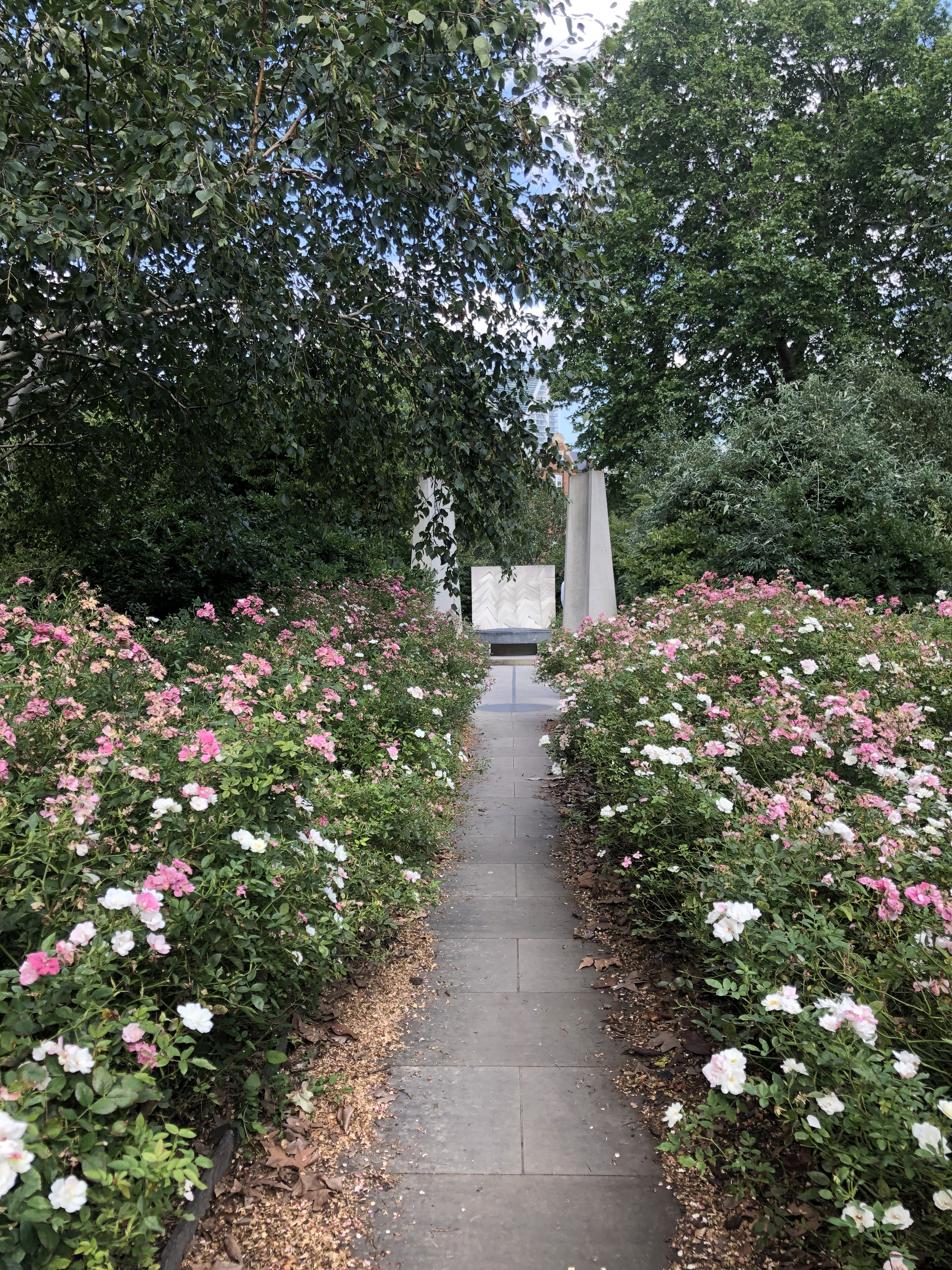
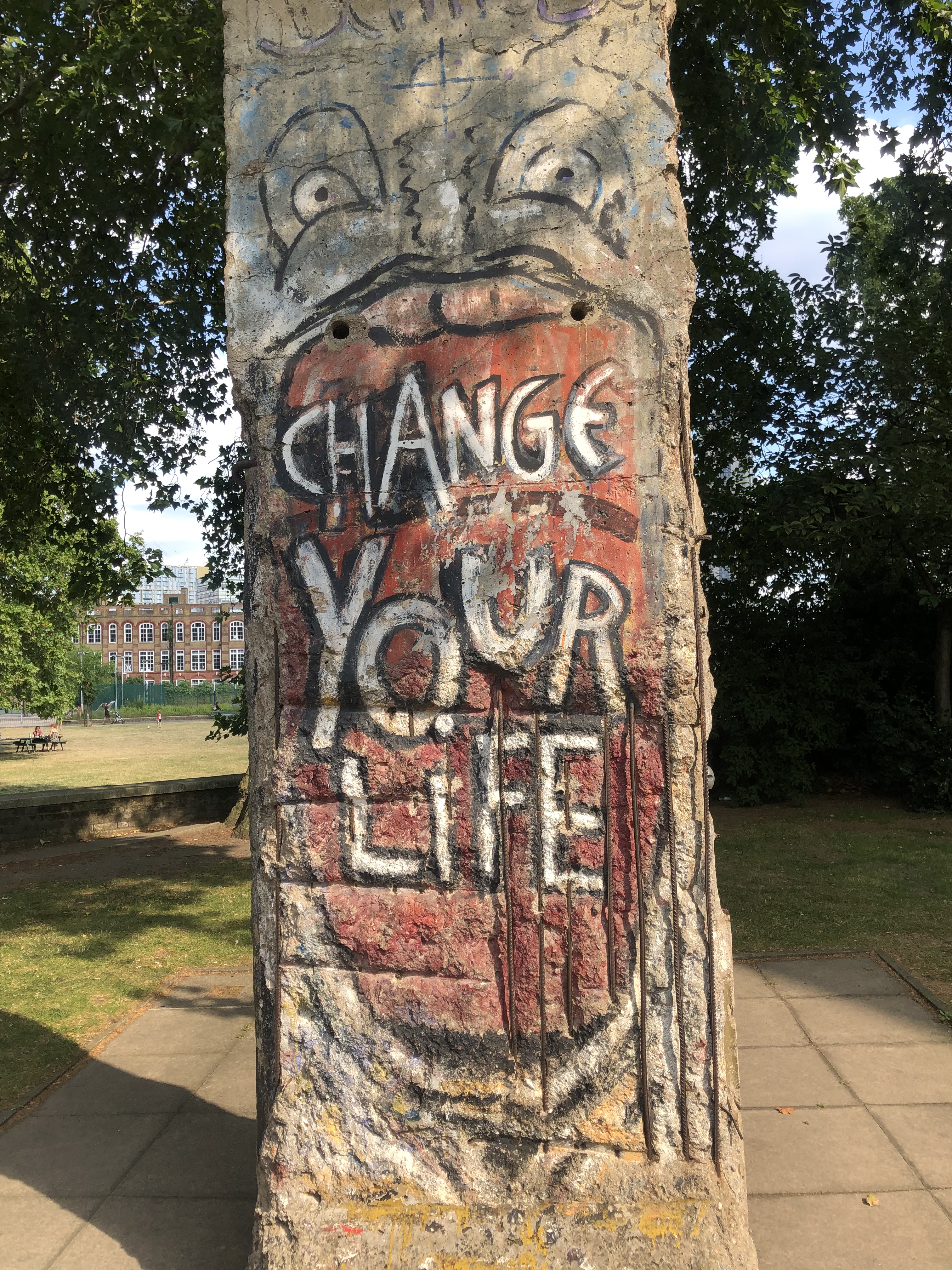
I was surprised when we first arrived at The Imperial War Museum. Empty space surrounded the museum: grass and flower fields, a playground, a piece of the Berlin wall, and a café all lingered around, but there was no immediate evidence that there was previously a mental hospital here.
The building itself was beautiful, it was built in the same theme as some of the royal buildings that we saw earlier on the trip. The white and teal color scheme stood out to me the most, as we saw this type of building layout for the royal palaces in Vienna. At first, I wondered why there was not more recognition to the Bethelem Royal Hospital because of its beautiful outward appearance. And then I got a rude awakening.
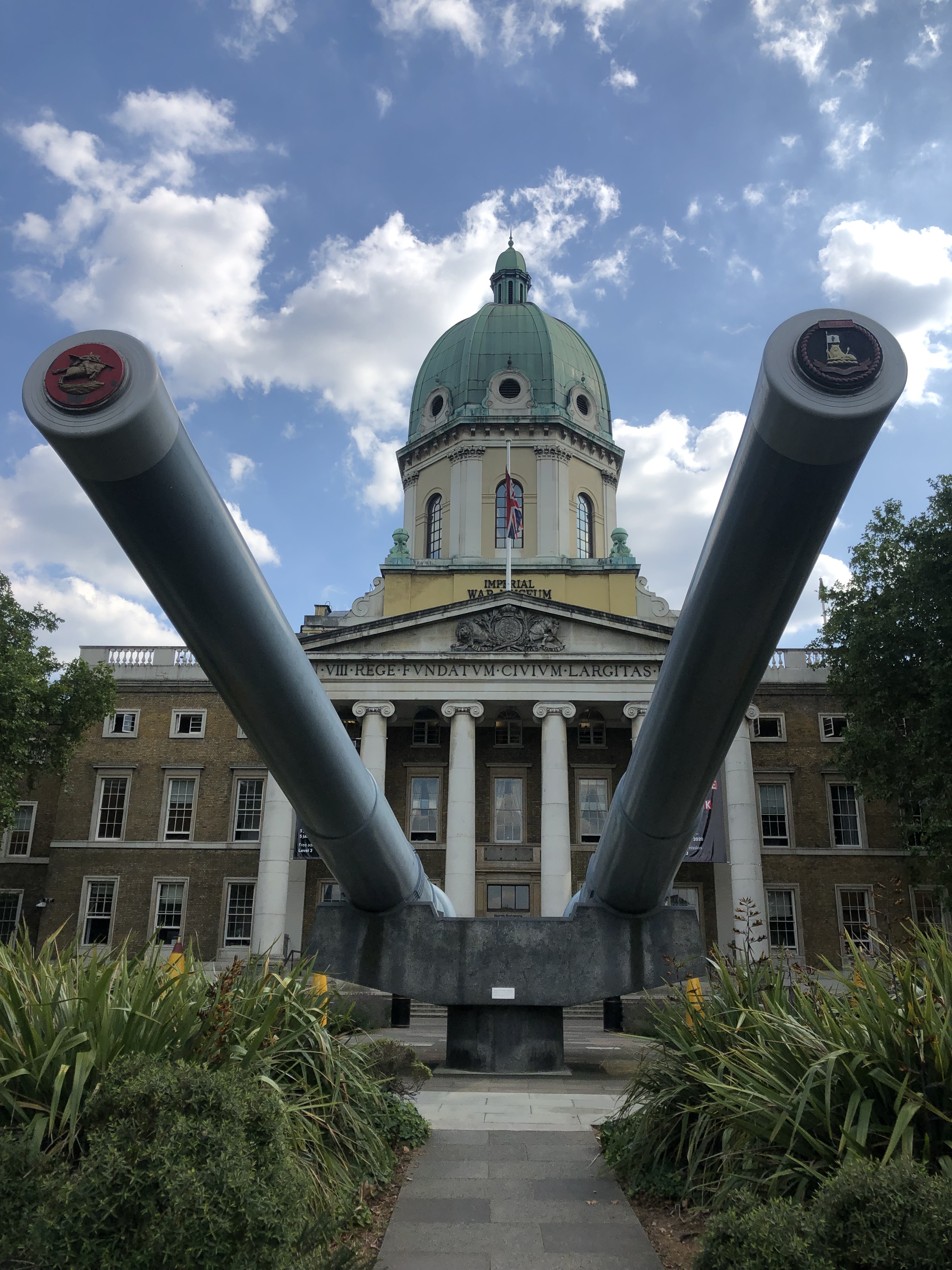
This building was built in response to a civil scandal from the old madhouse, and was replicated from Tuileries Palace (Ackroyd 609). This building was made to look nice to become a tourist attraction, where people were locked up to send a message to the public about how they are increasing repression of the mentally ill (210). The treatment of those deemed mentally ill was severe, they were “largely dependent on mechanical restrain” (211). This information made me feel a little sick to my stomach, that people were repressed to become an exhibit for others to come see. From our class discussion and the reading, it is evident that they were not proud of how they treated the patients, and it really reflects in the lack of recognition on the site. It made me realize that sometimes it isn’t the overwhelming amount of something present, but the lack of something that speaks the loudest.
We stayed at the Imperial War Museum for a long time, walking around through all of the park areas around the museum. When we were walking around, it felt very spooky to be in the quieter areas. There were little details that brought the mental hospital “element” to life for me. Two moments specifically stand out to me, both were when I was in the back parts of the building.
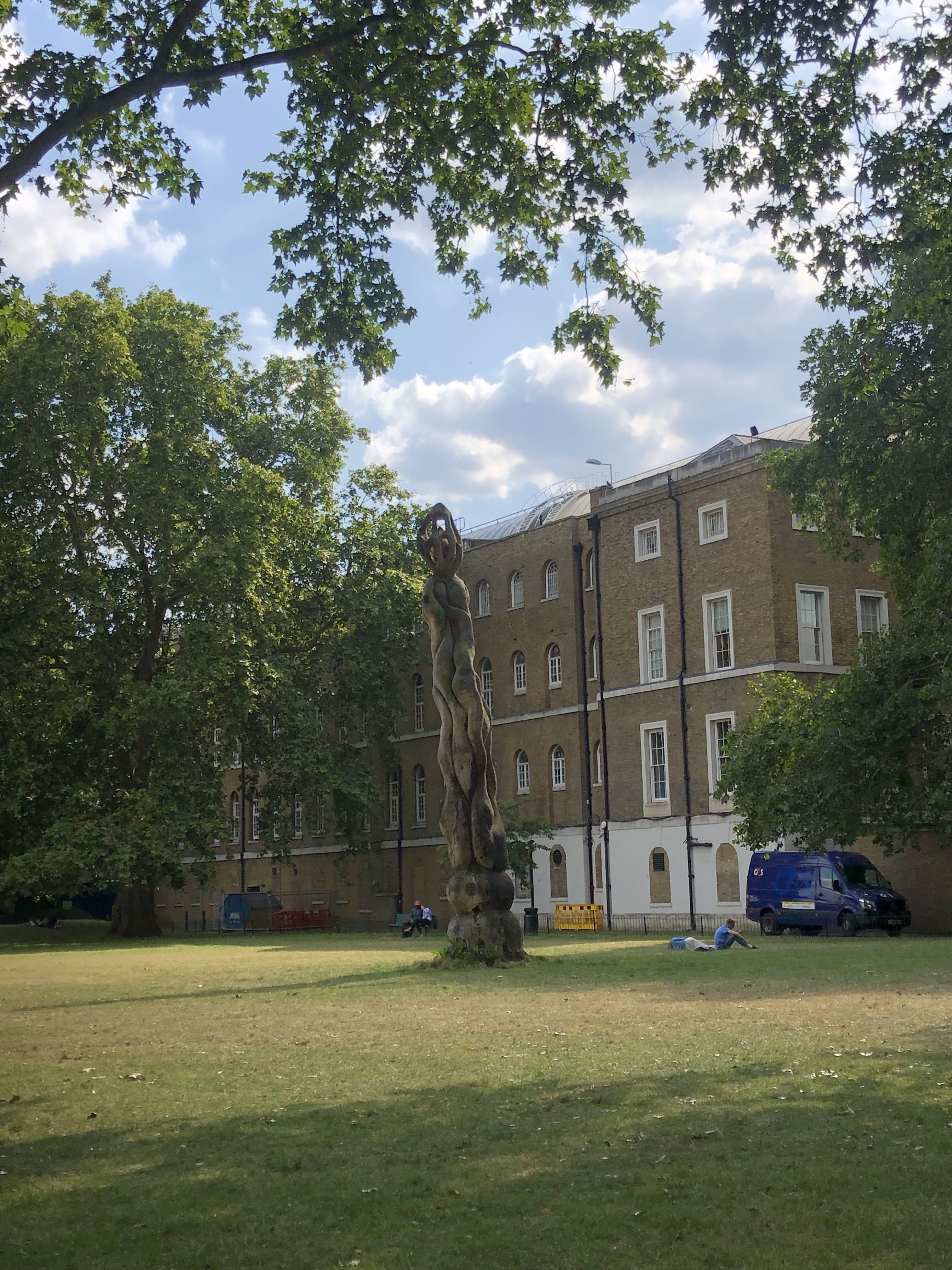
The first moment was when I was observing the windows on the building. They looked a little dingy and old, and how some at the top had a bar like design on the outside. I thought about how there were “patients” that were up there once, looking out and feeling trapped, like in a prison.
The second moment was when we found this wall with wall murals. I was not exactly sure the meaning of them, I tried to research them but found no answers. I do not believe that they were around at the time of when it was a mental hospital. It was the odd wall paintings that drew my attention that way, they led made me to notice something deeper. The walls that enclosed the hospital on the backside were very high up, and their height and color seemed prison-like. It made me wonder if people had tried to escape and were left dealing with this wall.
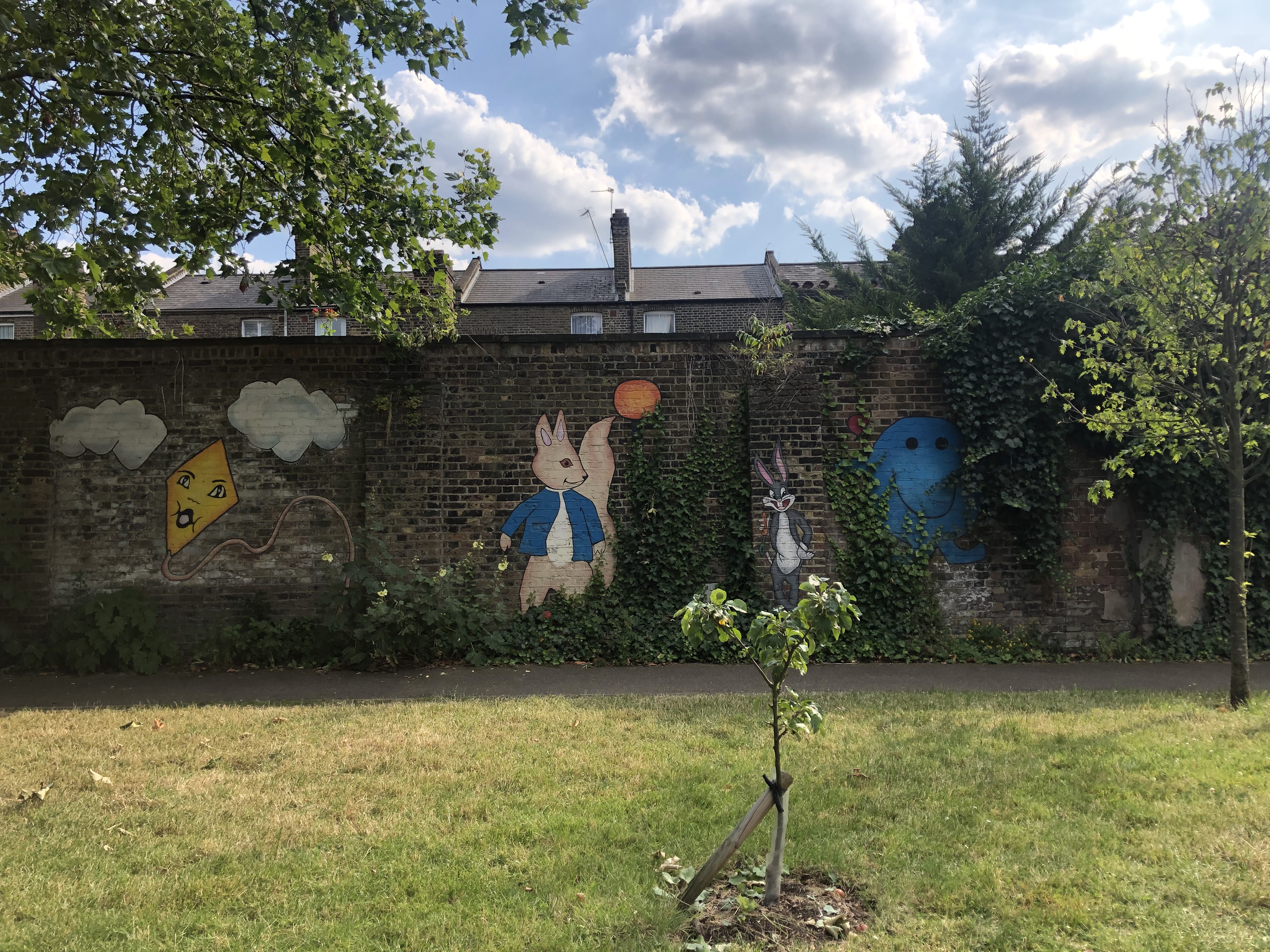
These two features of the building demonstrated some of the physical repressive properties of the building, things that would never be officially recognized by the country.
The lack of official commemoration for the hospitals was seen in both the Imperial War Museum and the Liverpool Street Station areas. The plaques that were dedicated to the hospitals were very minuscule compared to other recognitions that were given around them, such as the many around the park that were given to different aspects of the war.
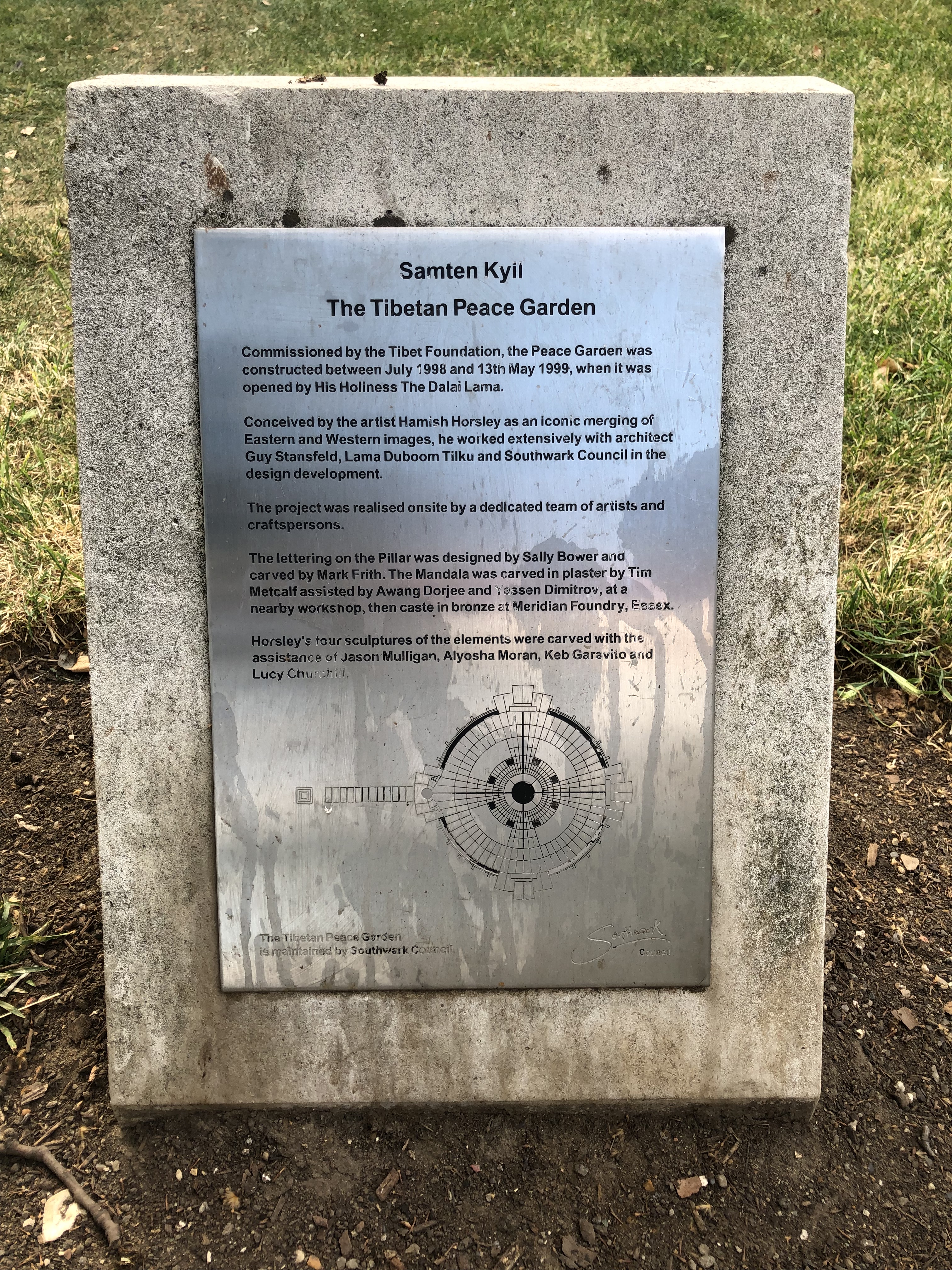
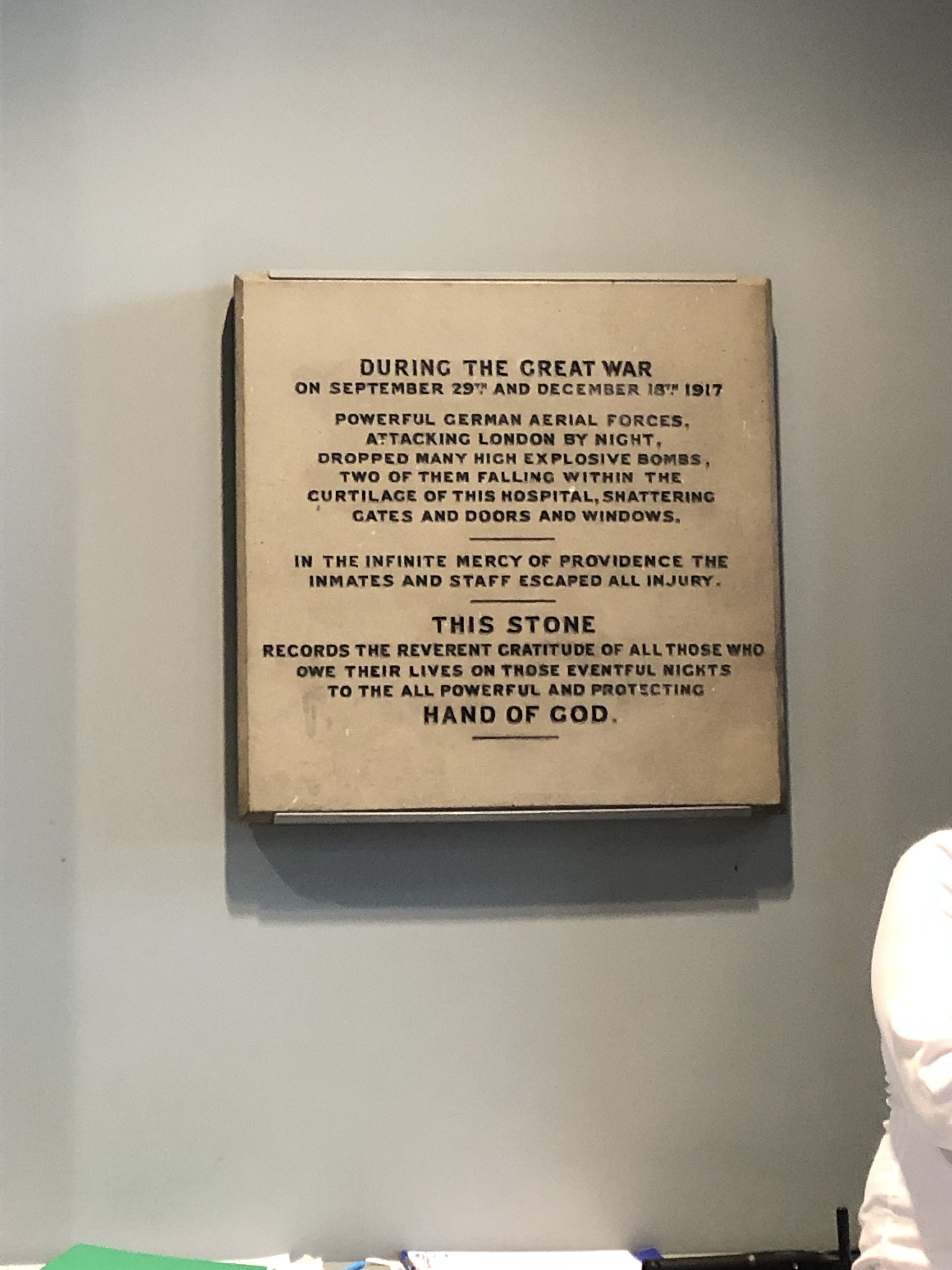
The plaque on the Liverpool Street Station area was tiny compared to the rest of the building, and other memorials that were on the street.
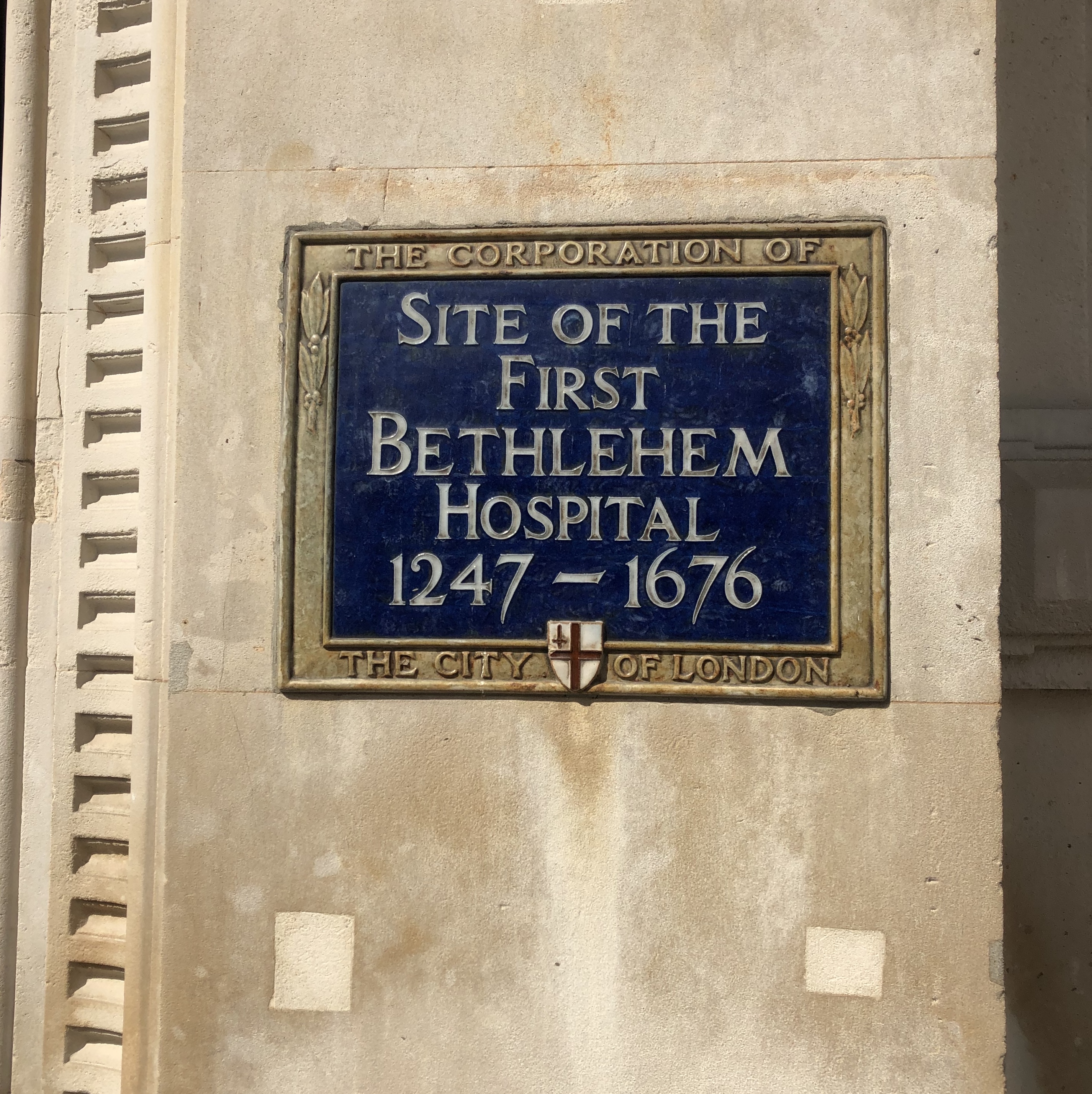
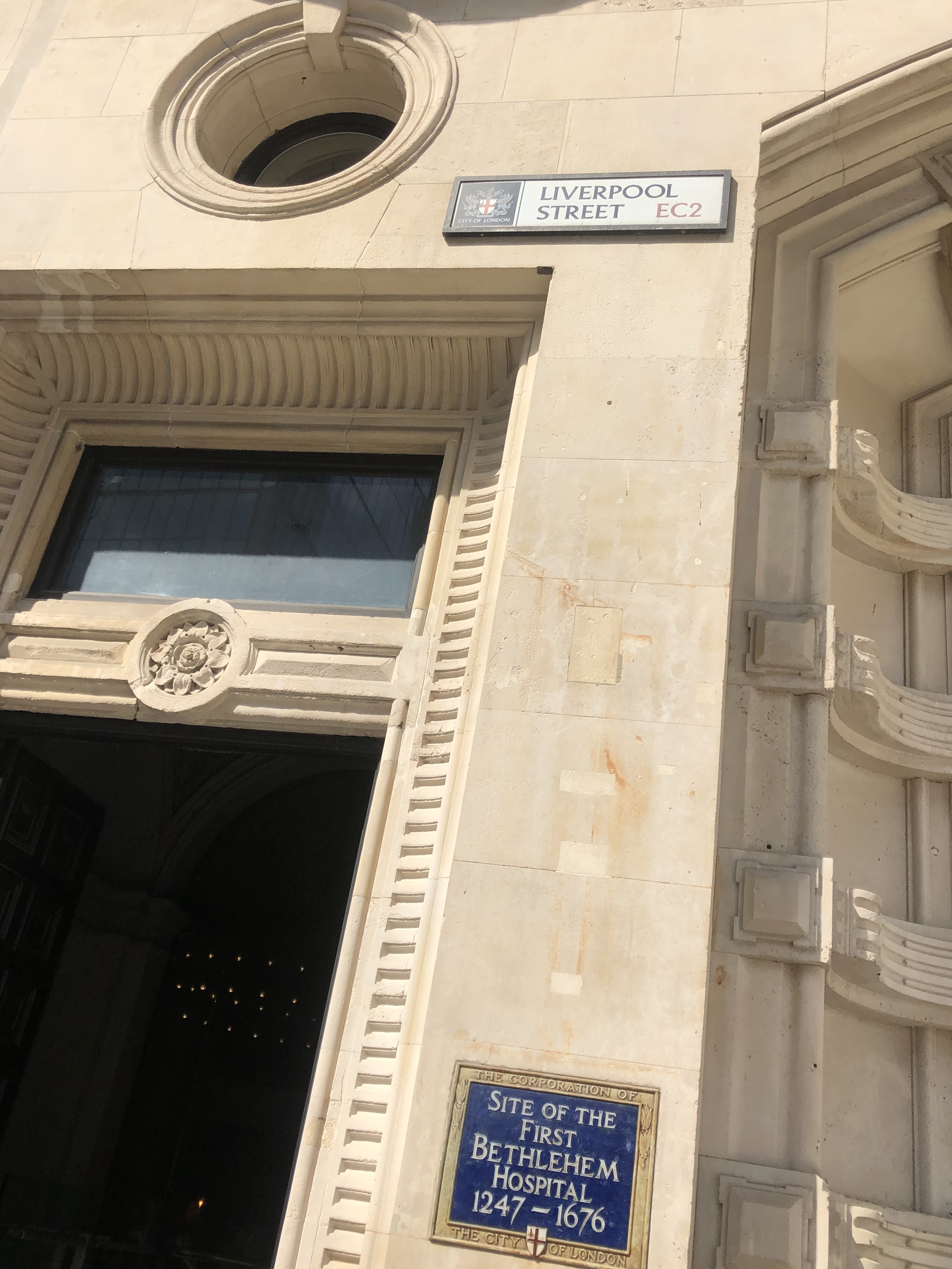
The plaque at the Imperial War Museum was also unimpressive. There was a plaque that explained the backstory, but they only dedicated 1/3 of the space on the plaque to the old Bedlam hospitals and then the rest of it was for information on the war. The space allocated did not even have any information on the meaning of what was before, rather just how the building came to be.
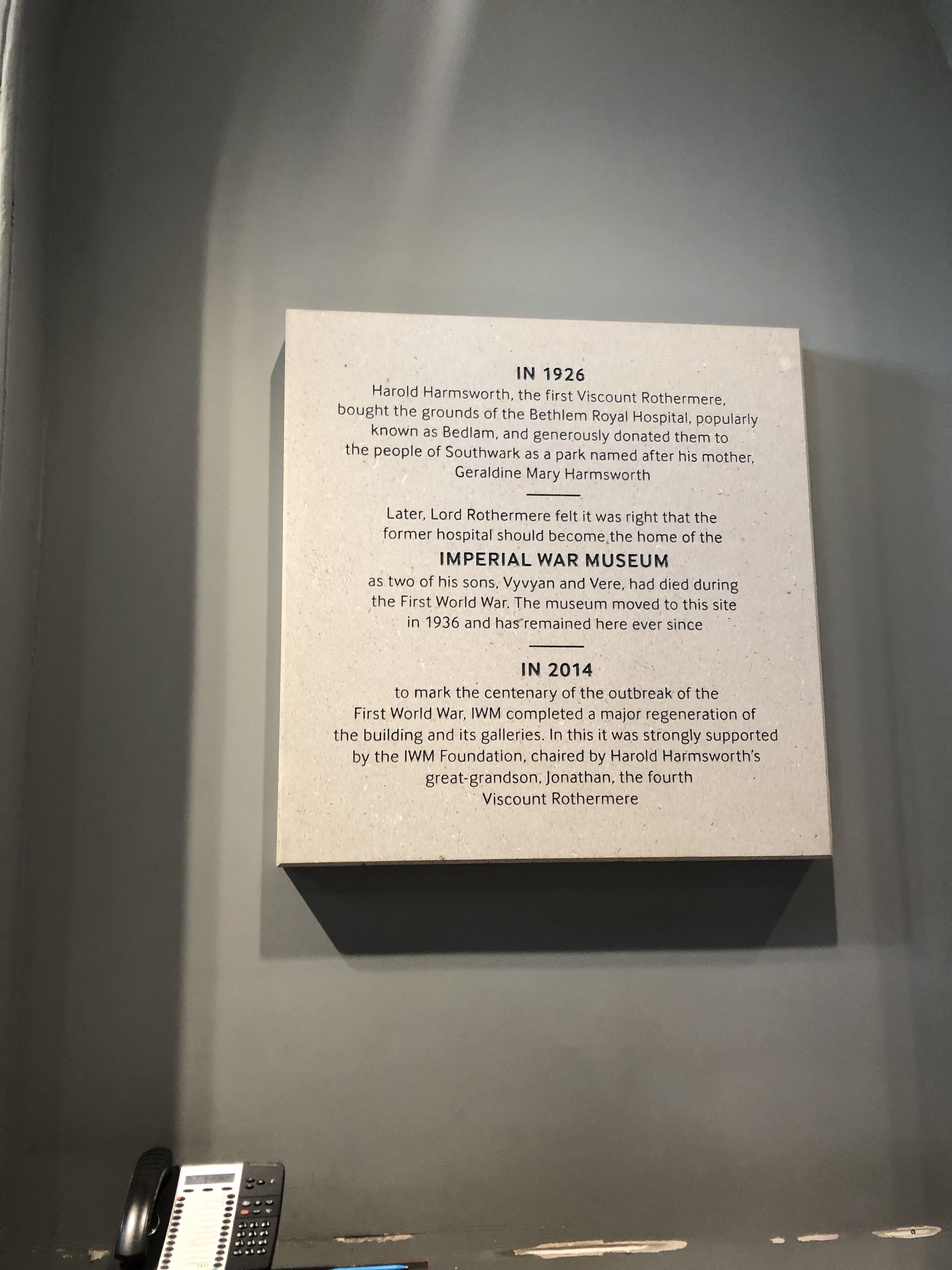
Overall, the amount of recognition that was given was very underwhelming to me. The buildings’ makeup had signs of its previous use, but there was no official statement about its rich history. I was left slightly disappointed, and this experience highlighted a huge flaw with society’s recollection of history.
Ackroyd, London: The Biography (607-612)
 Architecture of Vienna