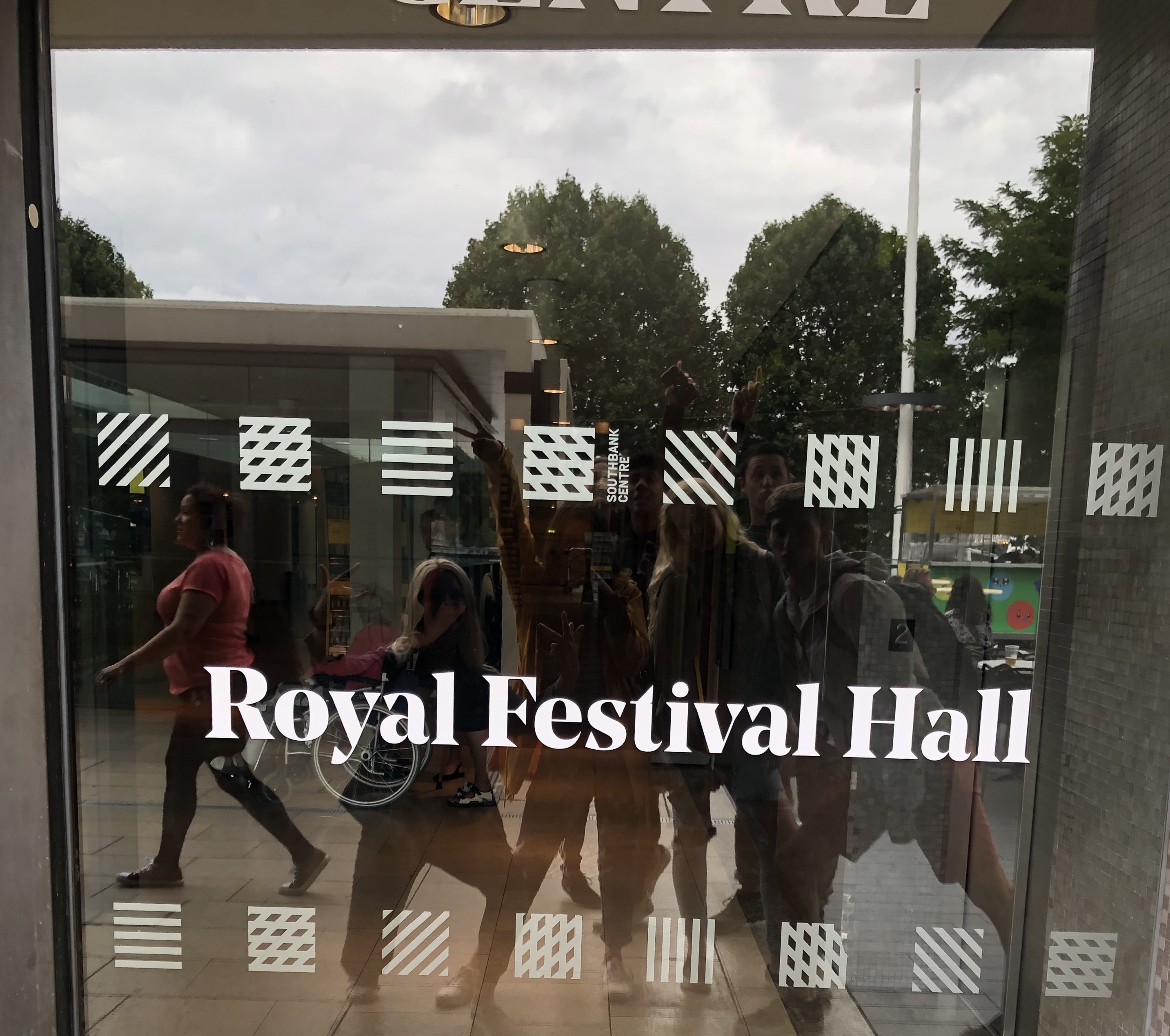
When I arrived to Royal Festival Hall, the second thing that I noticed was the kids that were everywhere. I thought about how cool that this place would be as a kid, how there were so many different outlets that were available for my experience.
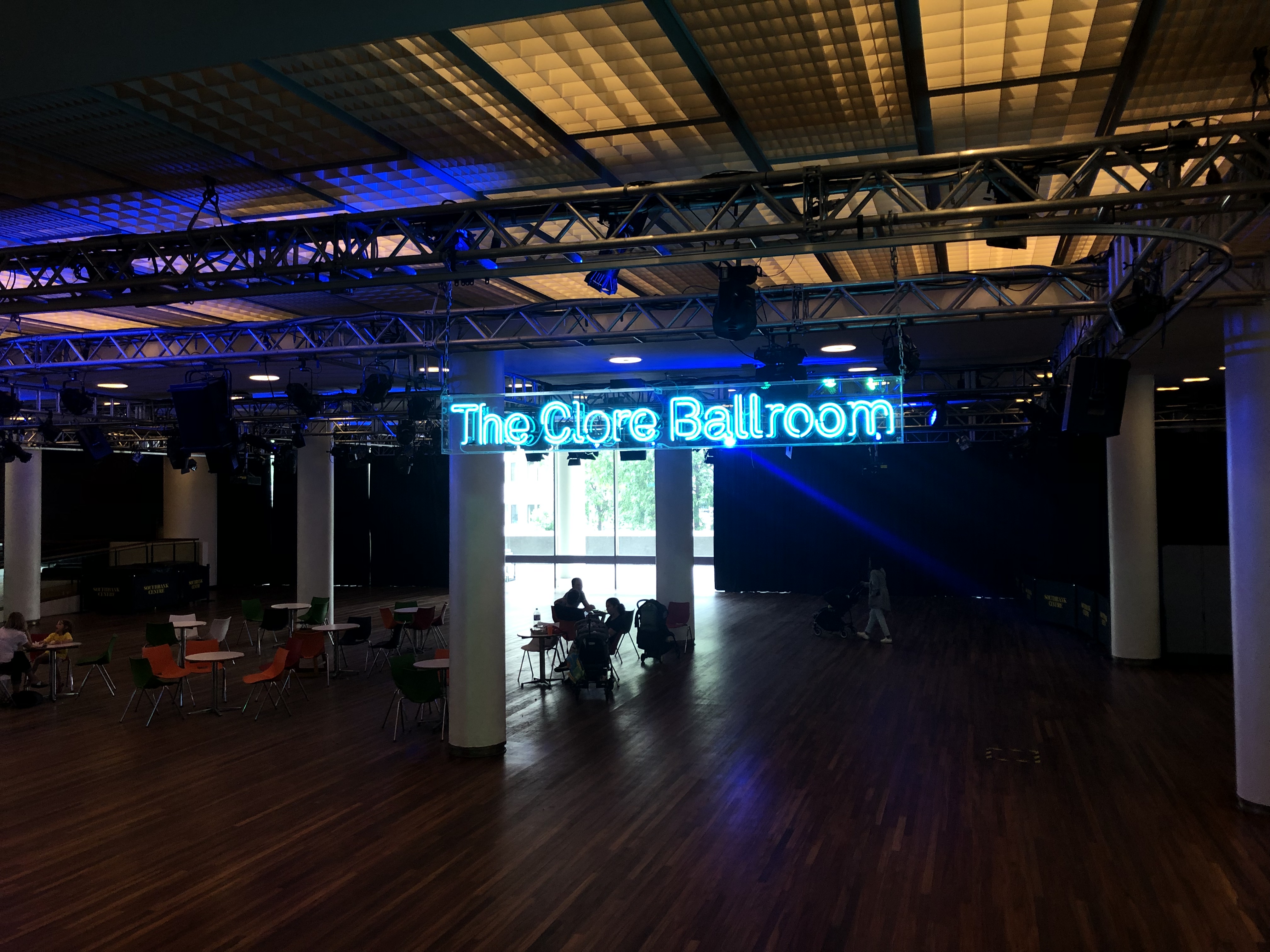
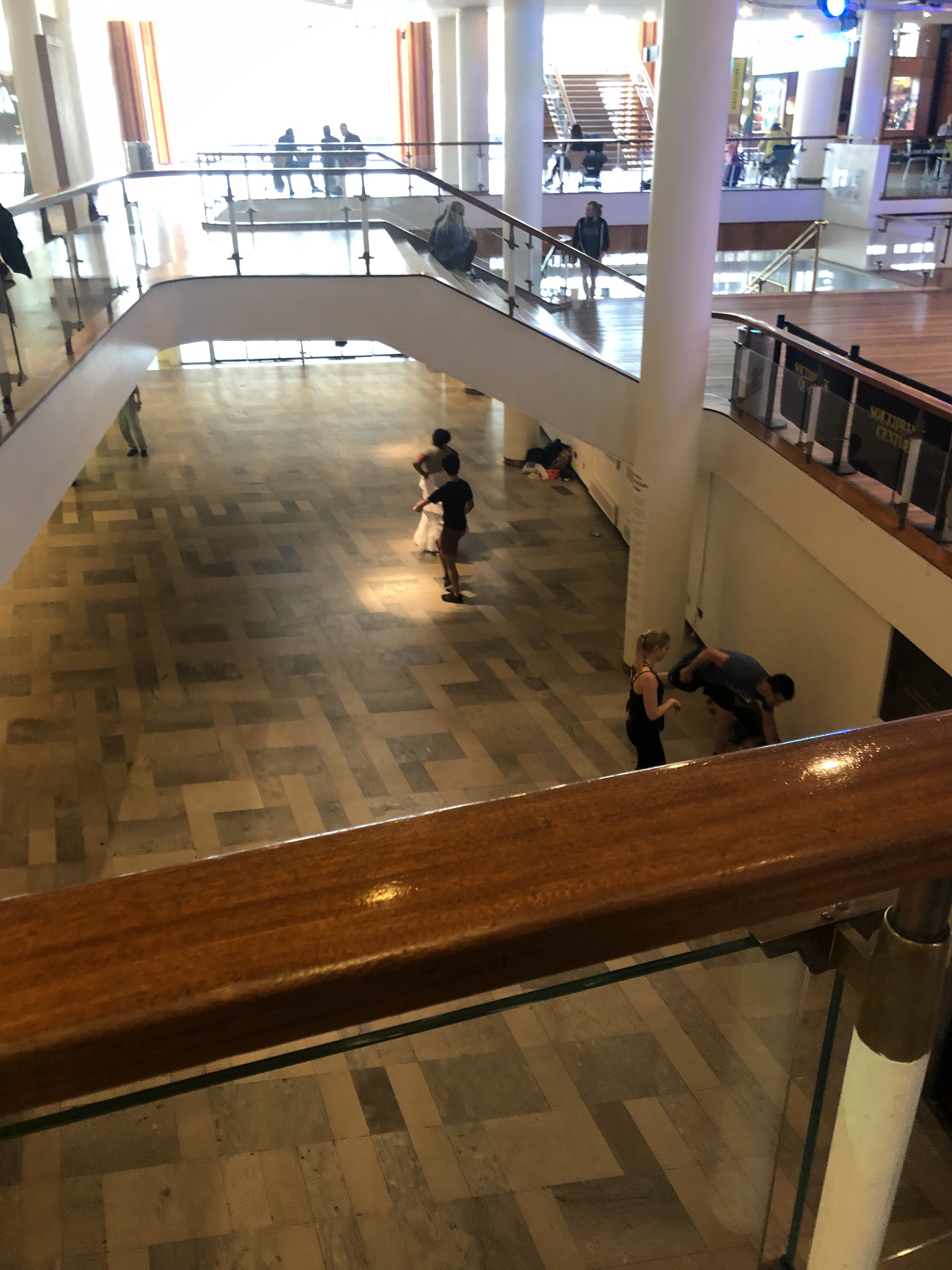
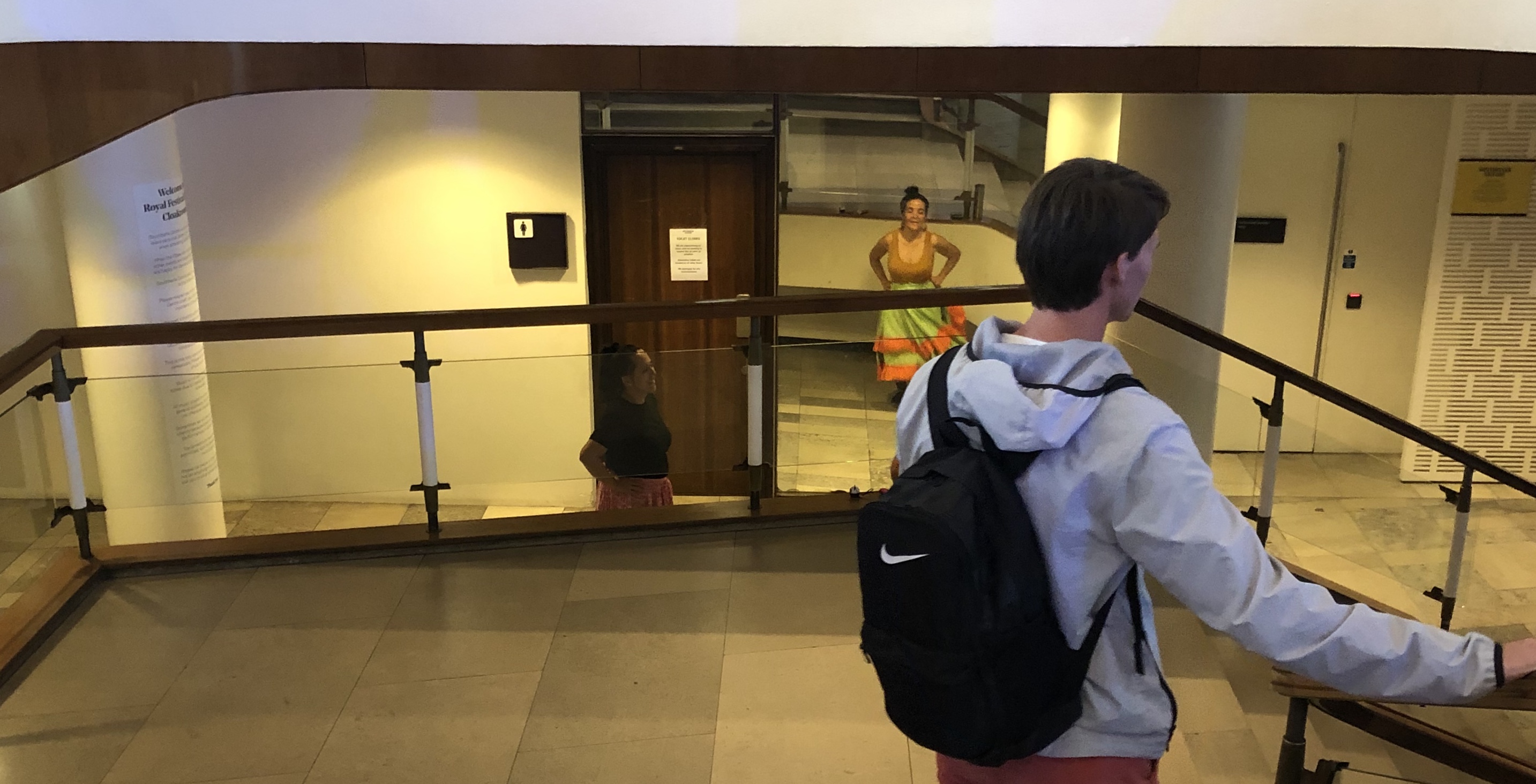
The ballroom was very diverse, there were people of all ages and costumes dancing on the bottom floor. An old Asian couple was dancing, as well as a lady dressed in an all-white dress, and a couple that looked like they were doing tap dance. Along the sides of the stairs, there were some kids sitting and observing the dancers. It made me remember when I was younger and watched “So You Think You Can Dance”, and there was a large variety of dances that people performed. I thought that it was really cool that the kids got to see these dances in person, and also had the opportunity to learn them if they wanted to go up to the couples.
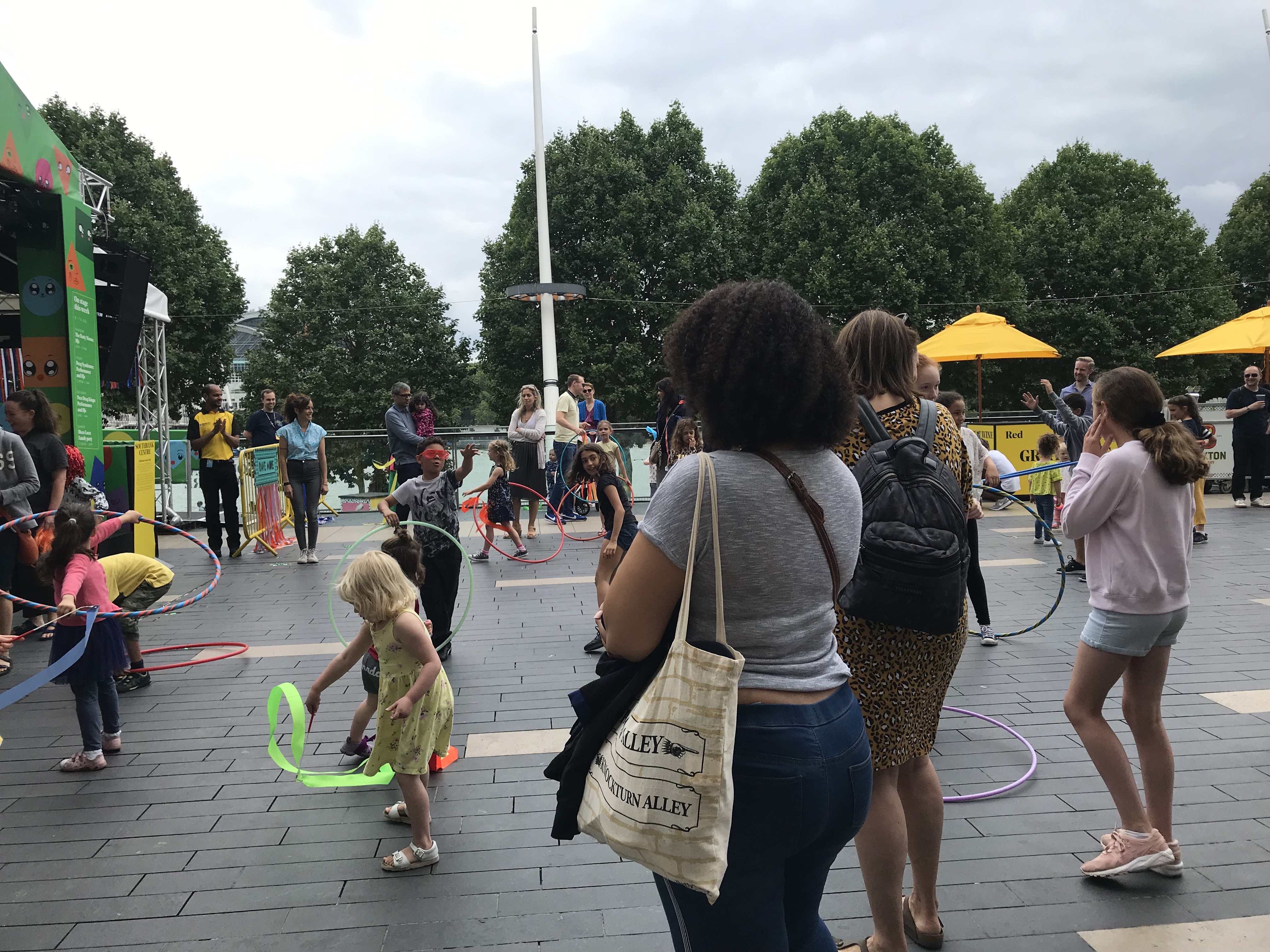
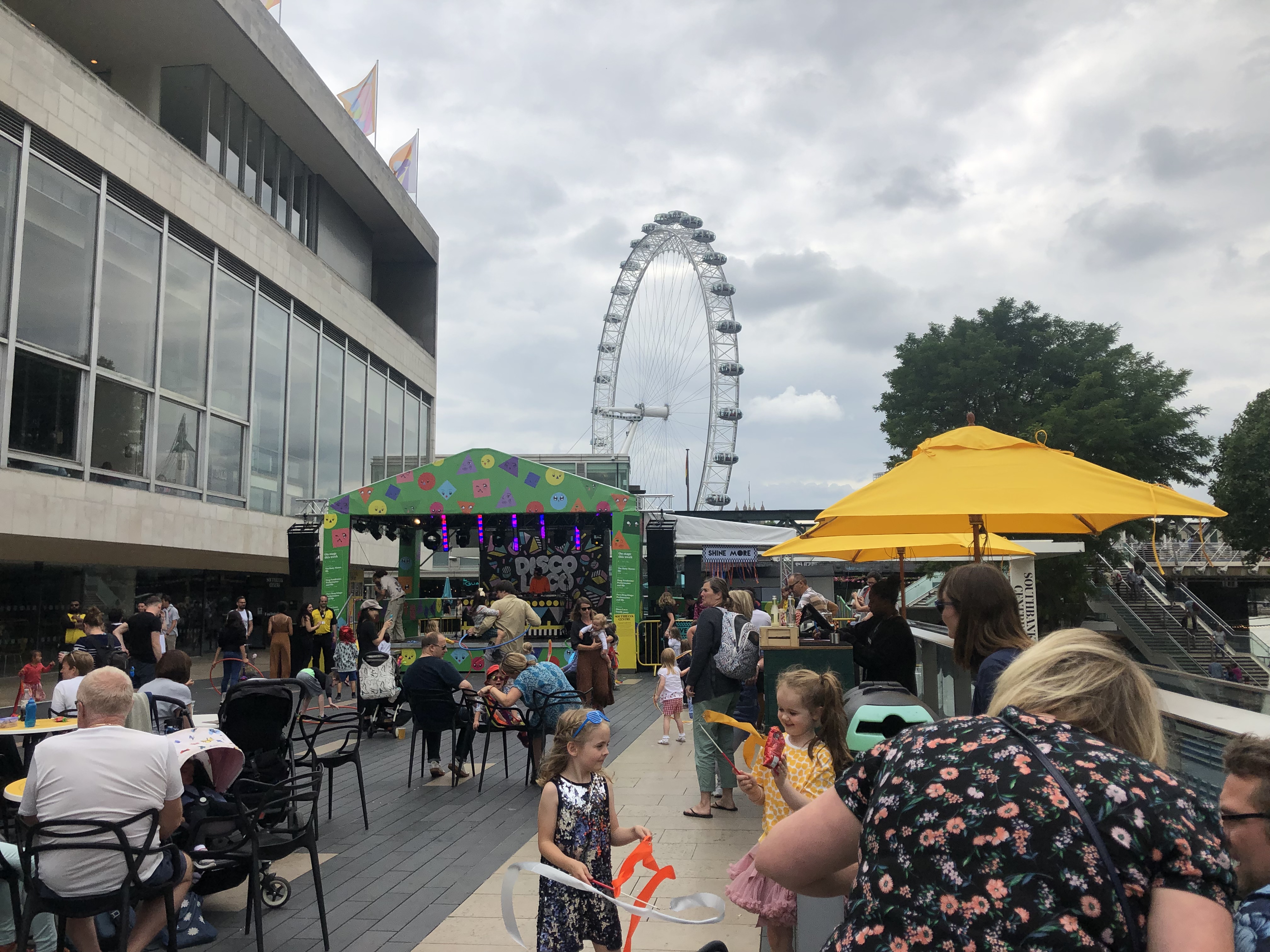
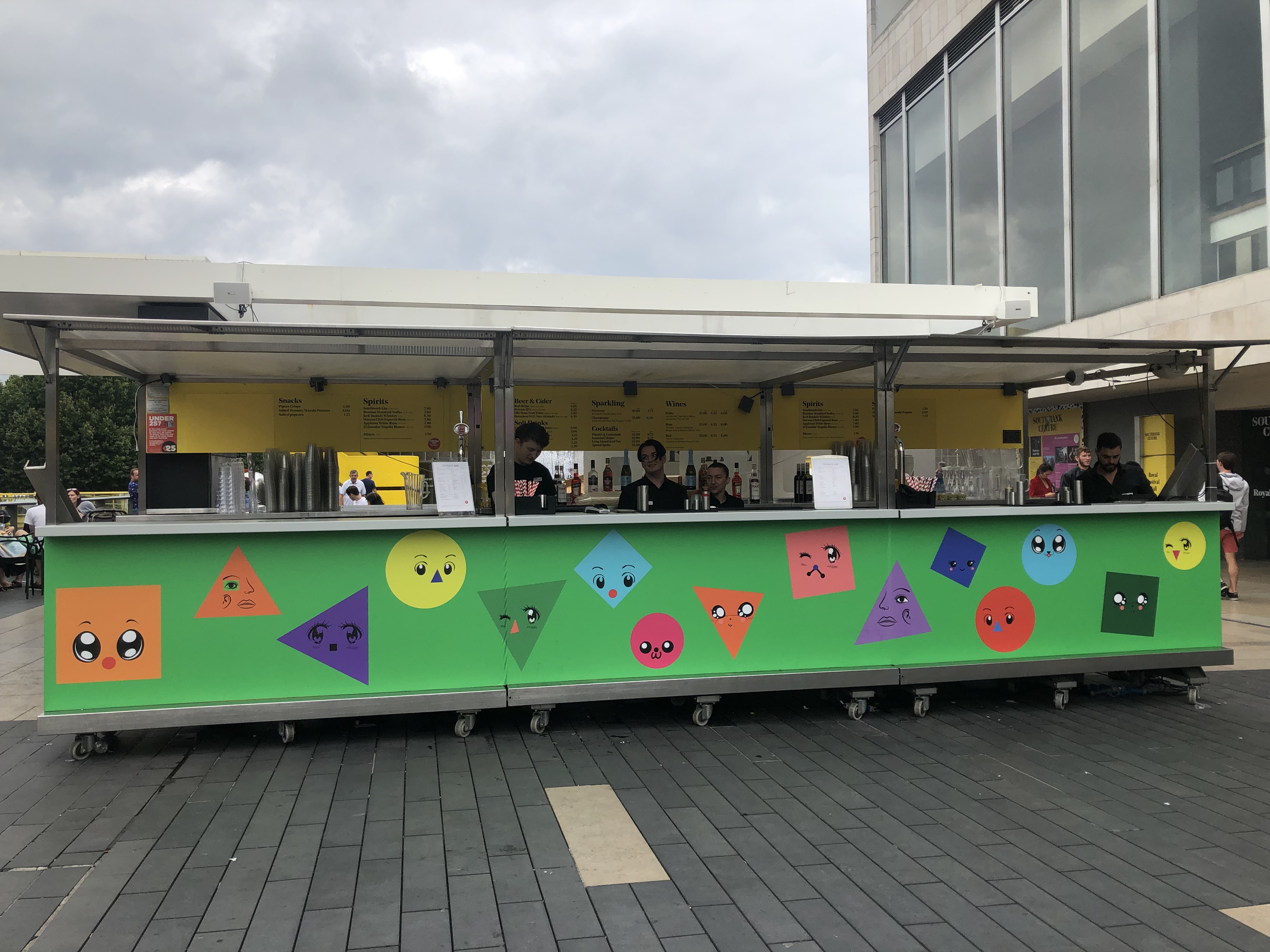
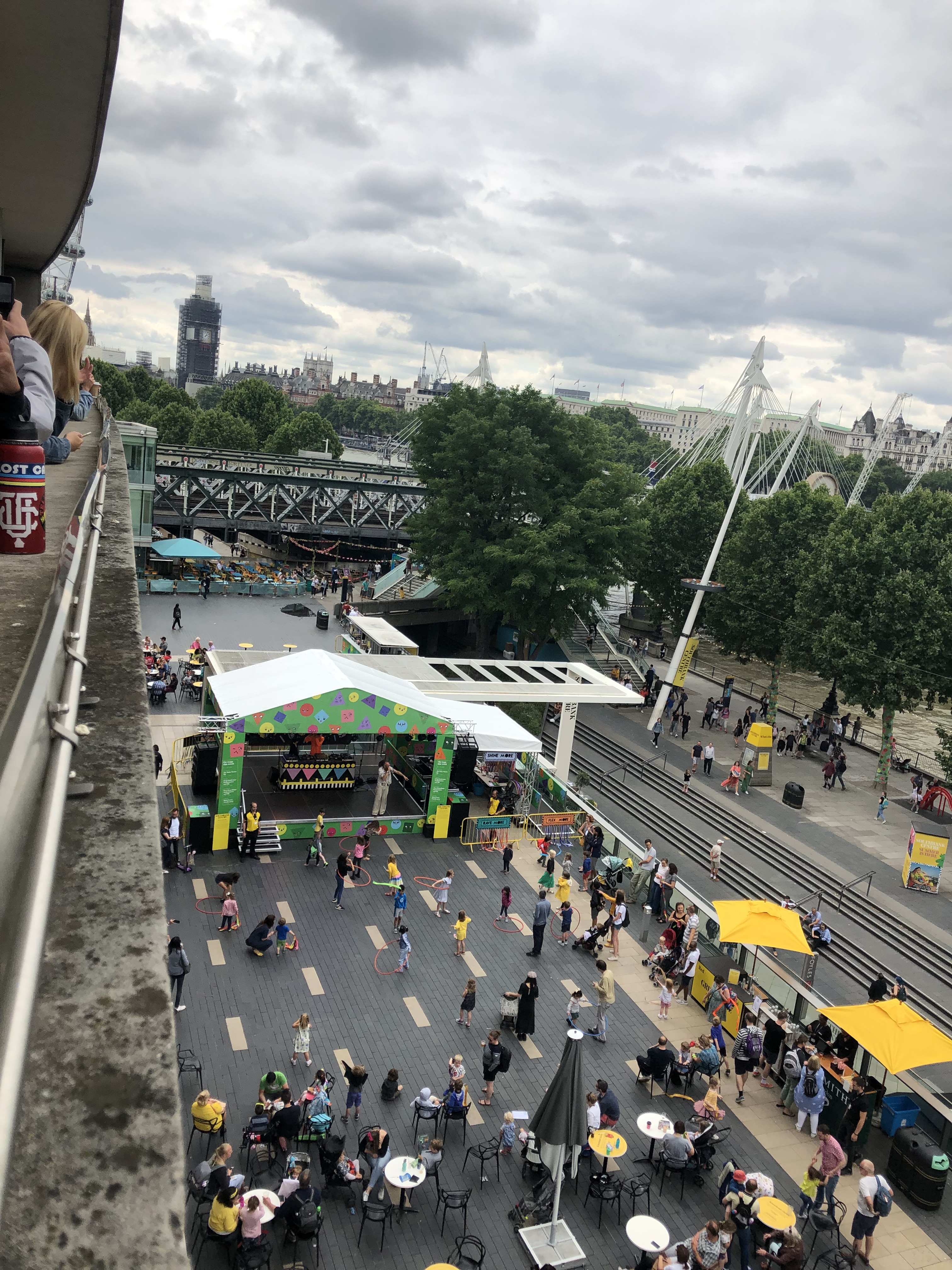
We looked outside and saw the life of the party. There was a live music DJ playing on a stage that was decorated with bright colors. The cartoon faces that were in the shapes were very kid-inviting. I noticed that by the stage, there was a huge flock of kids with hula hoops and streamers just dancing around with smiles painted on their faces.
We overheard two parents talking about how there was a singing elevator, and decided that we had to go find it. We went back into the building and went up and down the elevator three times. Every time it would go up, it would sing an upward octave, and every time it would go down it would sing a downward octave. I play two instruments, so this was easily the coolest part of the festival for me. I thought about how my love for music started when I was a kid in music class, and how cool it was that the kids got to experience the musical elements that the festival had to offer.
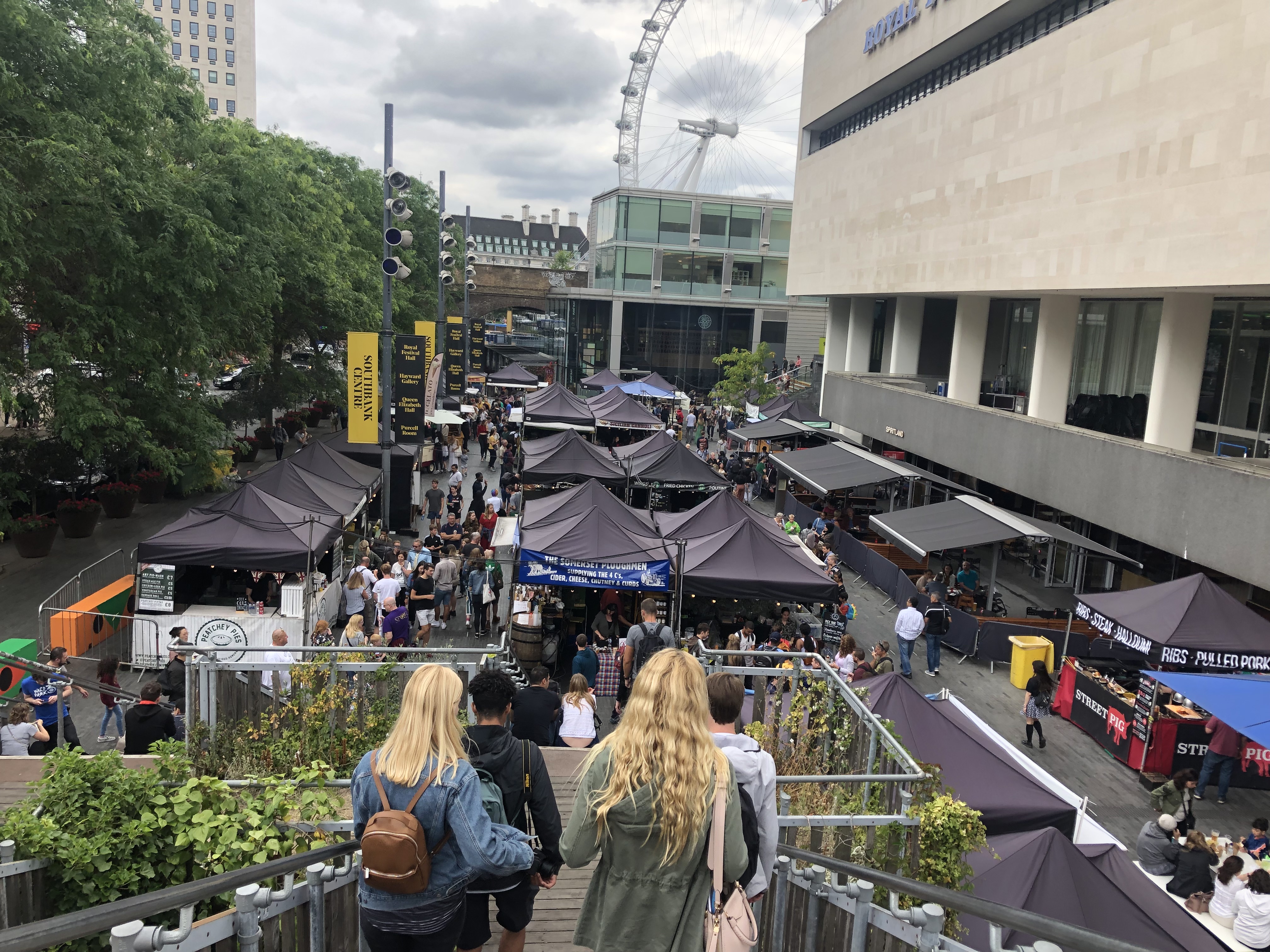
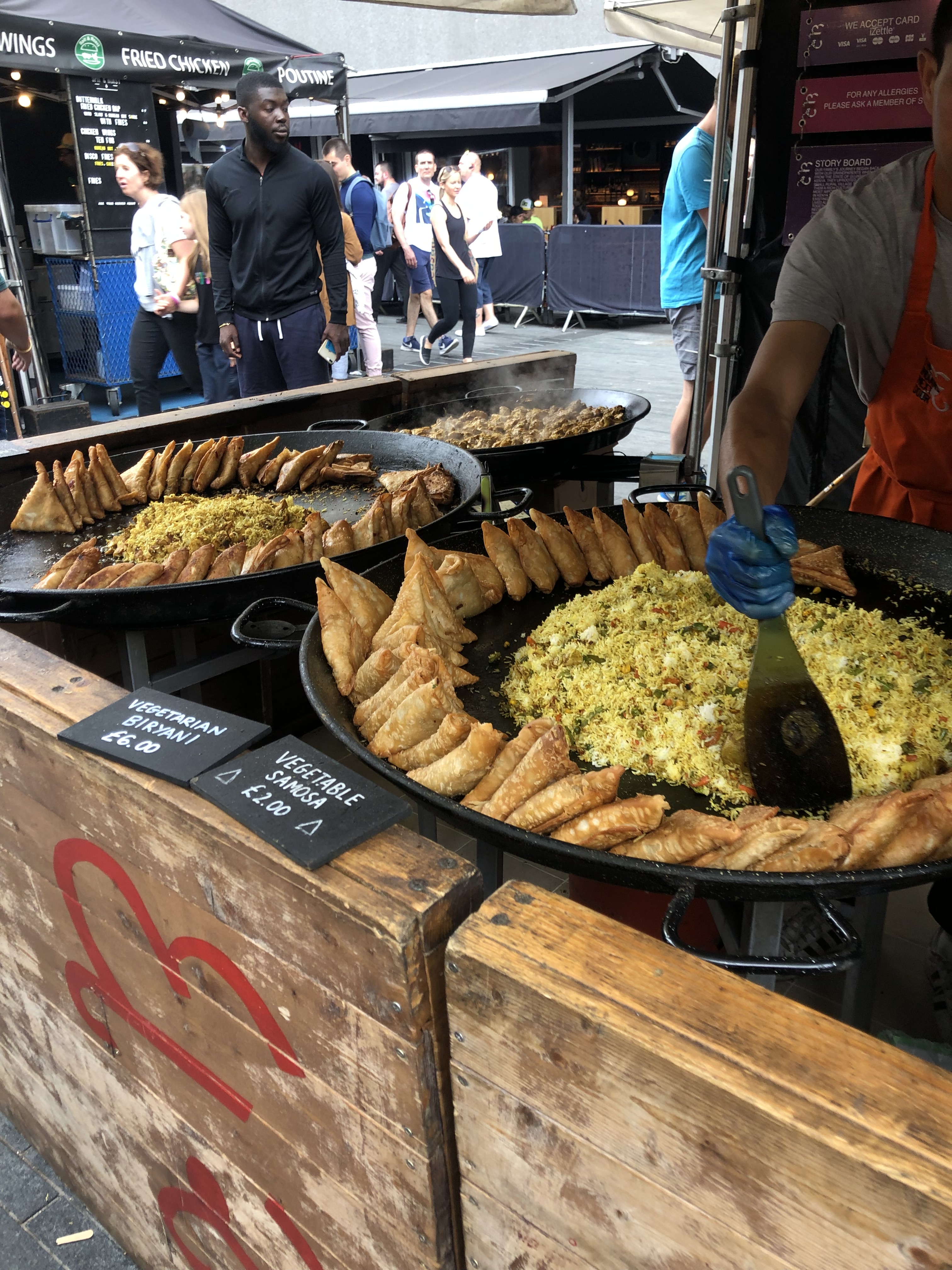
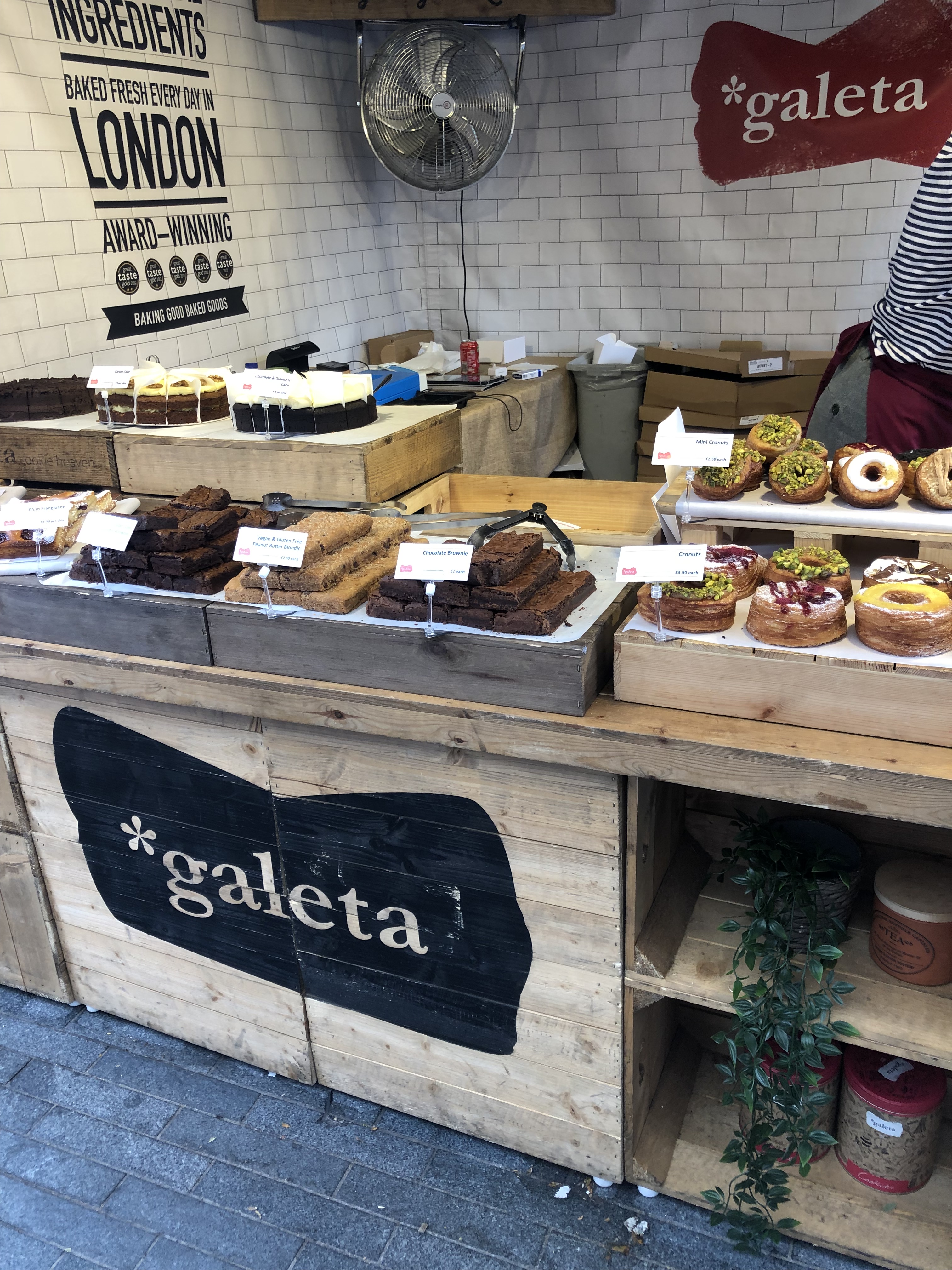
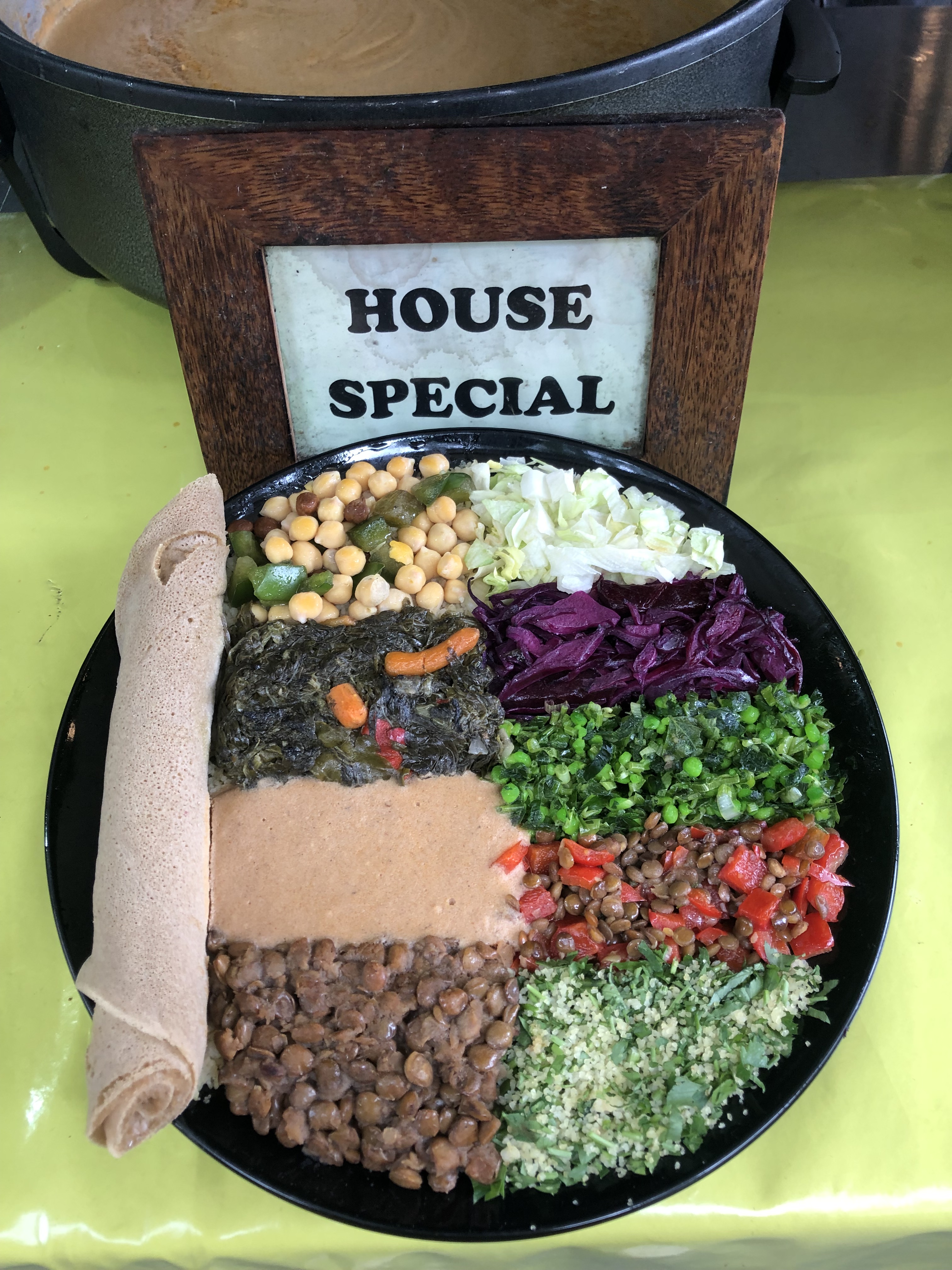
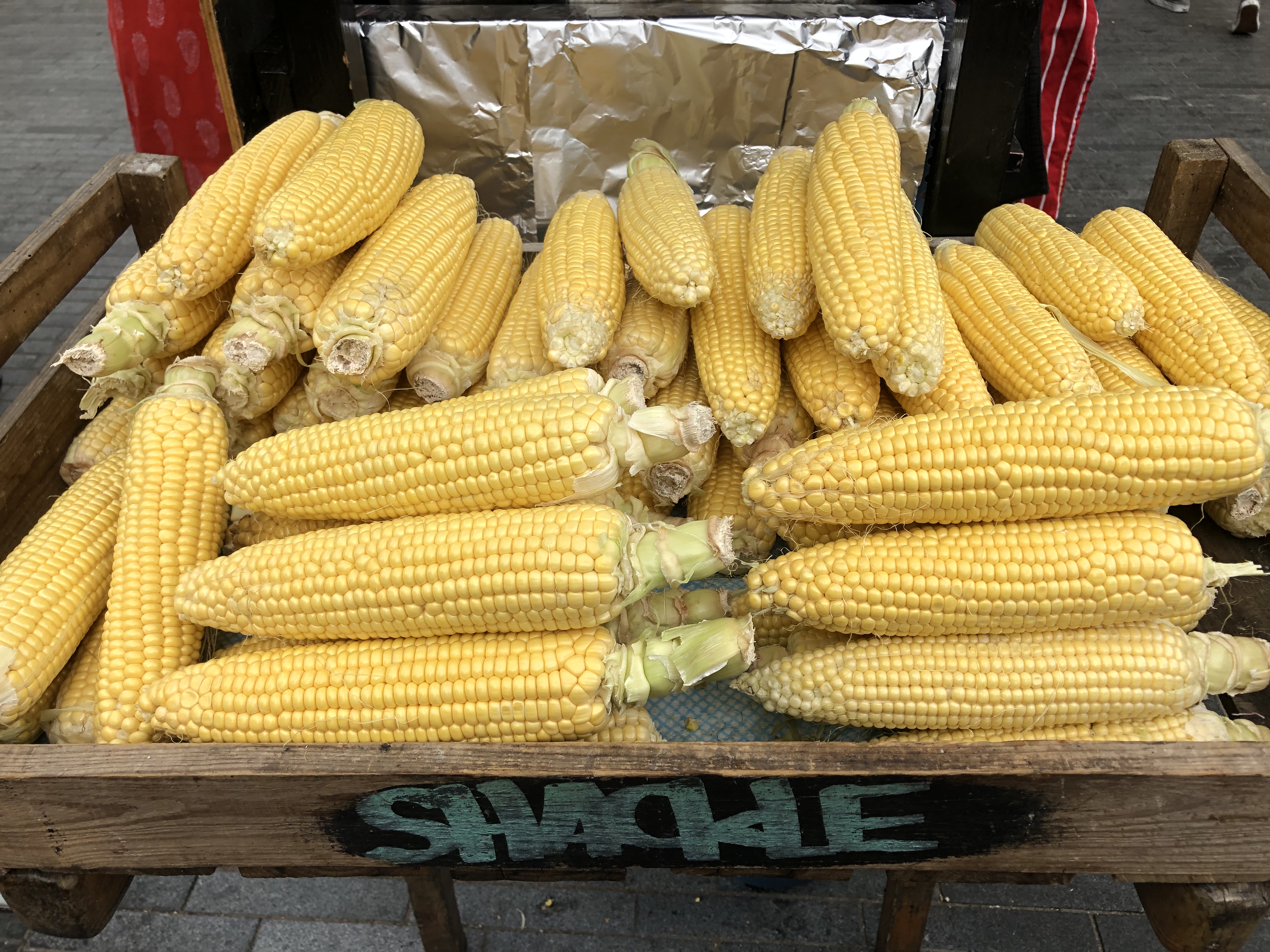
The food festival was just as diverse as the other activities here. Like the dancing ballroom area, there was a nice blend of different cultures represented in this area. The food looked amazing, there was everything from snack food, to full lunches and deserts. A kid would not be able to be a picky eater here. It was really cool to see how people were cooking in front of you as well, it inspired me to become a better cook and learn how to make my cooking more diverse.
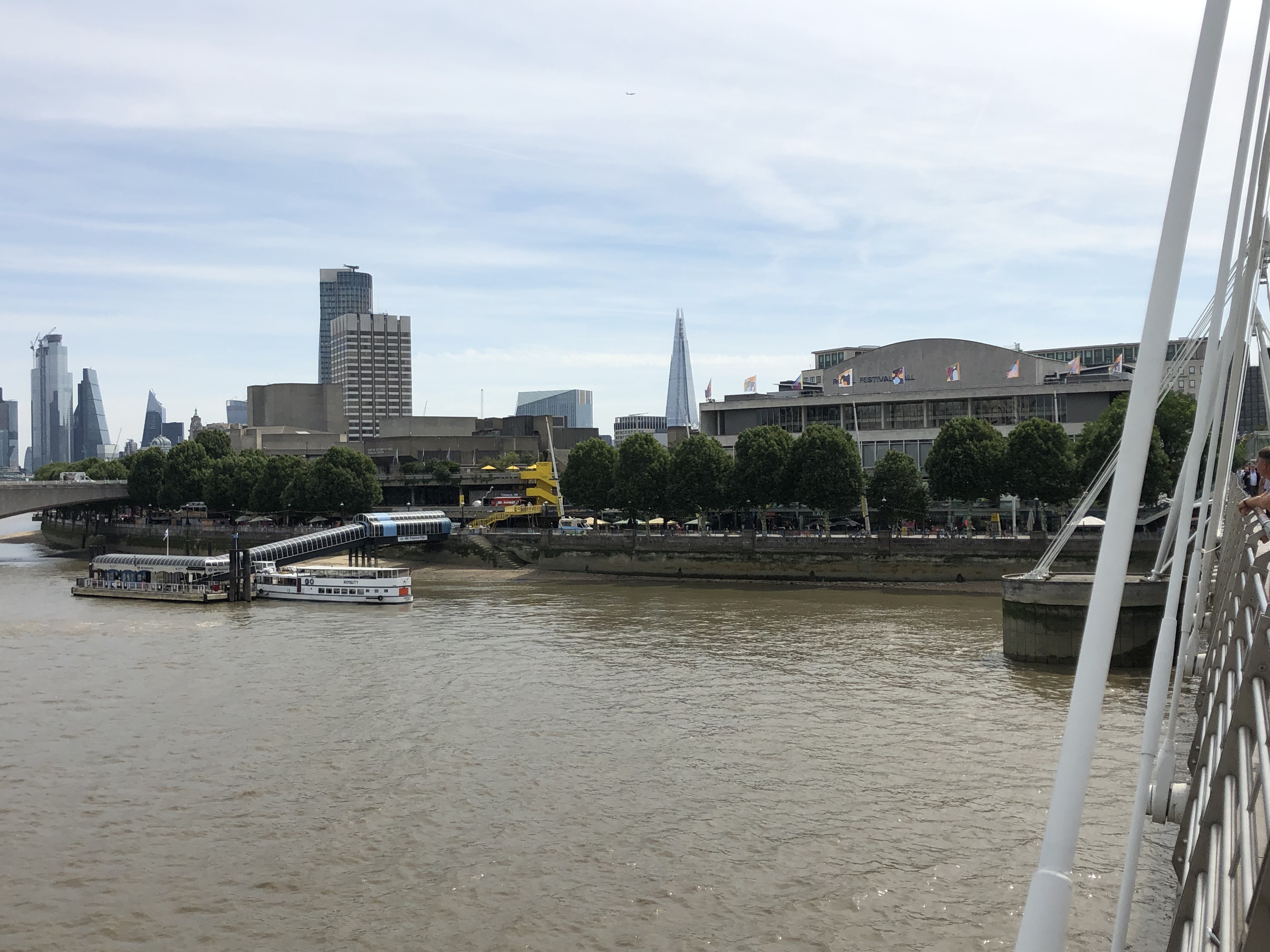
Going back to the beginning of my time here, the first thing that I noticed about this center when I arrived was the brutalist nature of this building. We entered through the main door of the building, which was darker and not as inviting. In my opinion, it did not match everything else that was in the festival. Or, that the festival did not match the building. Either way, the building itself was not inviting or attractive. Now that I saw the whole festival I had time to reflect on how there were so many bright colors that contrasted with the dark and concrete building. The festival used random pops of color, with both paint and flowers, to contrast the concrete, dark grey buildings everywhere. Even the littlest details, like the colors of the tables and the space between the steps, was painted to brighten the area.
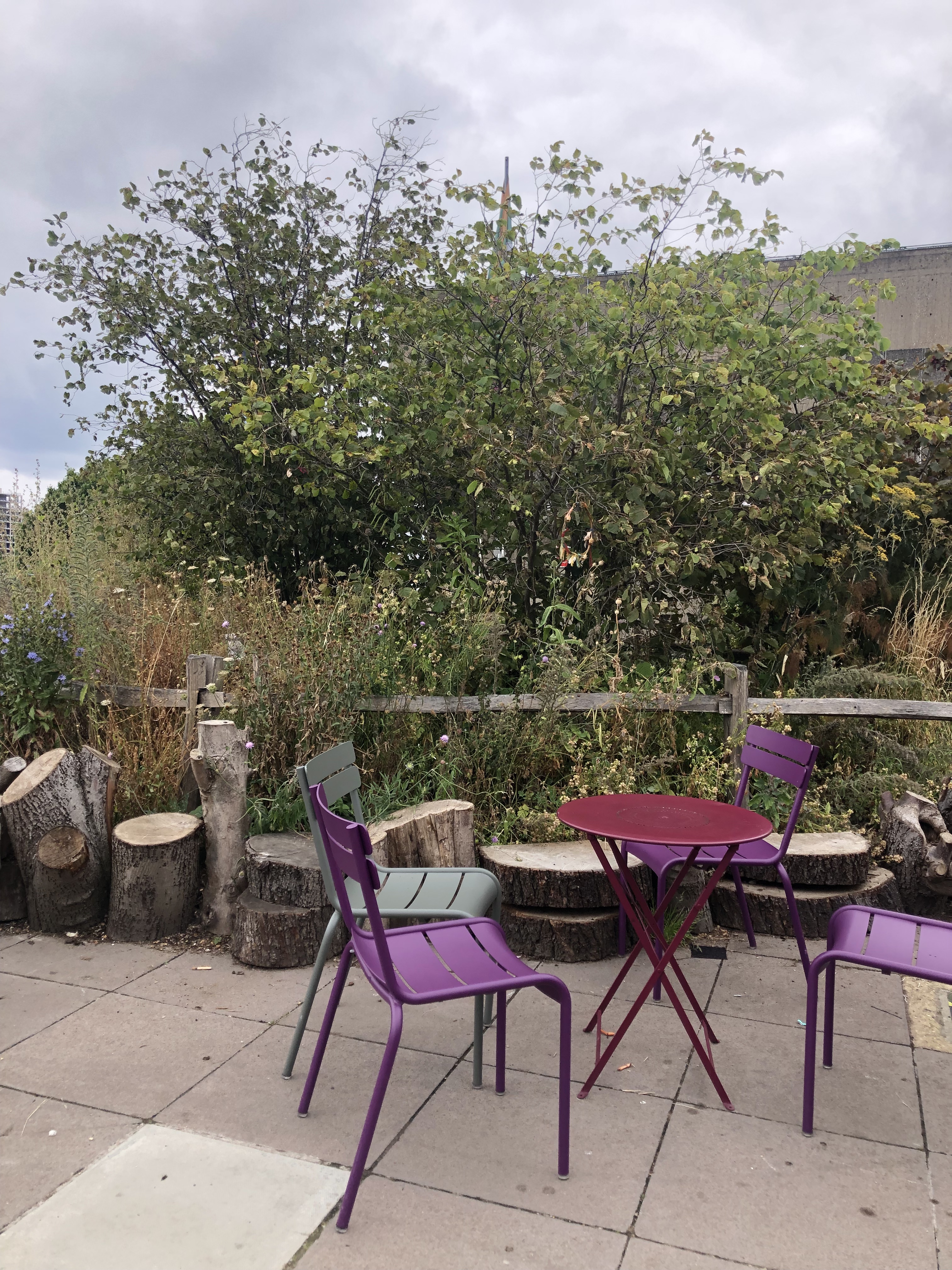
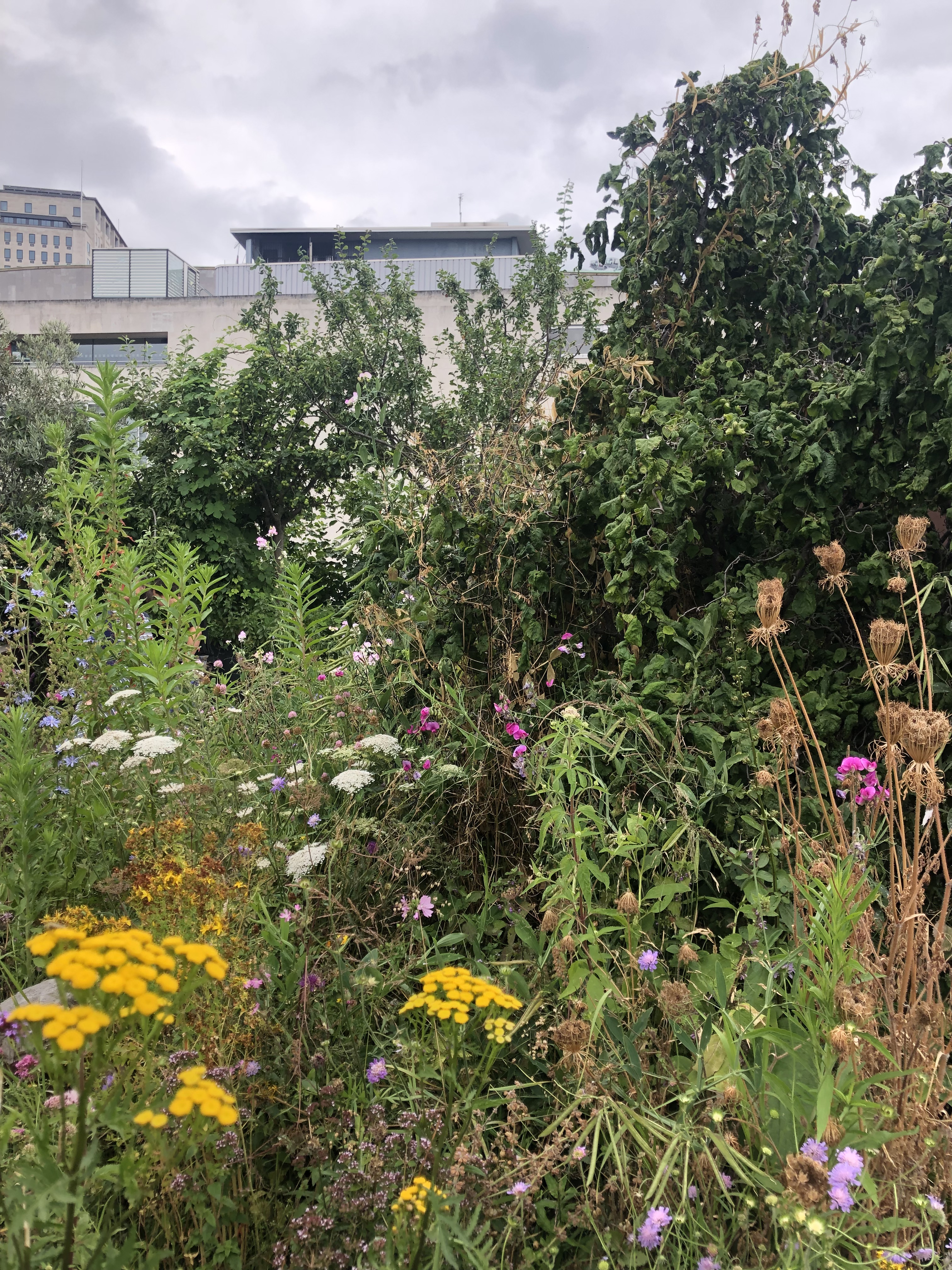
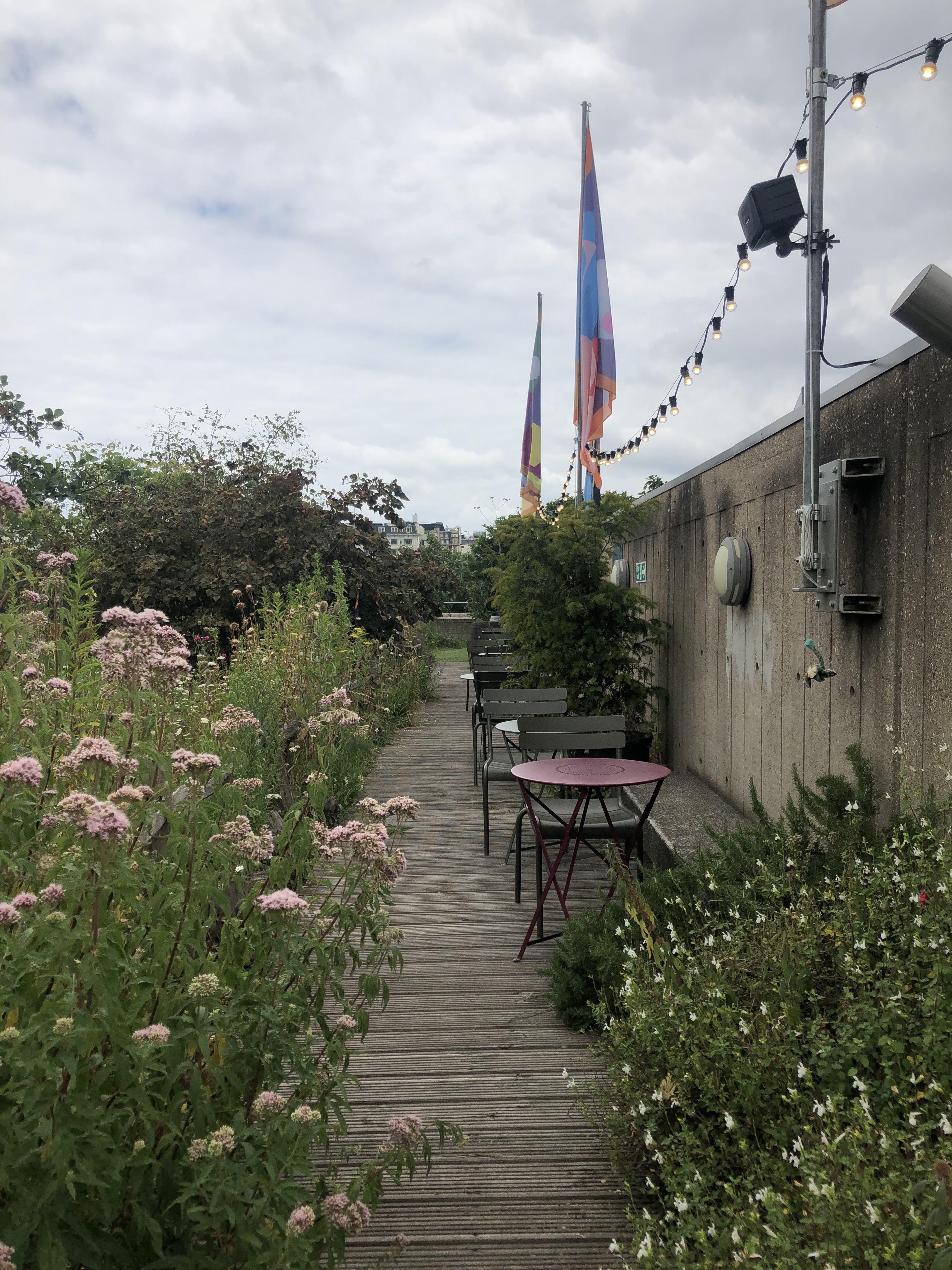
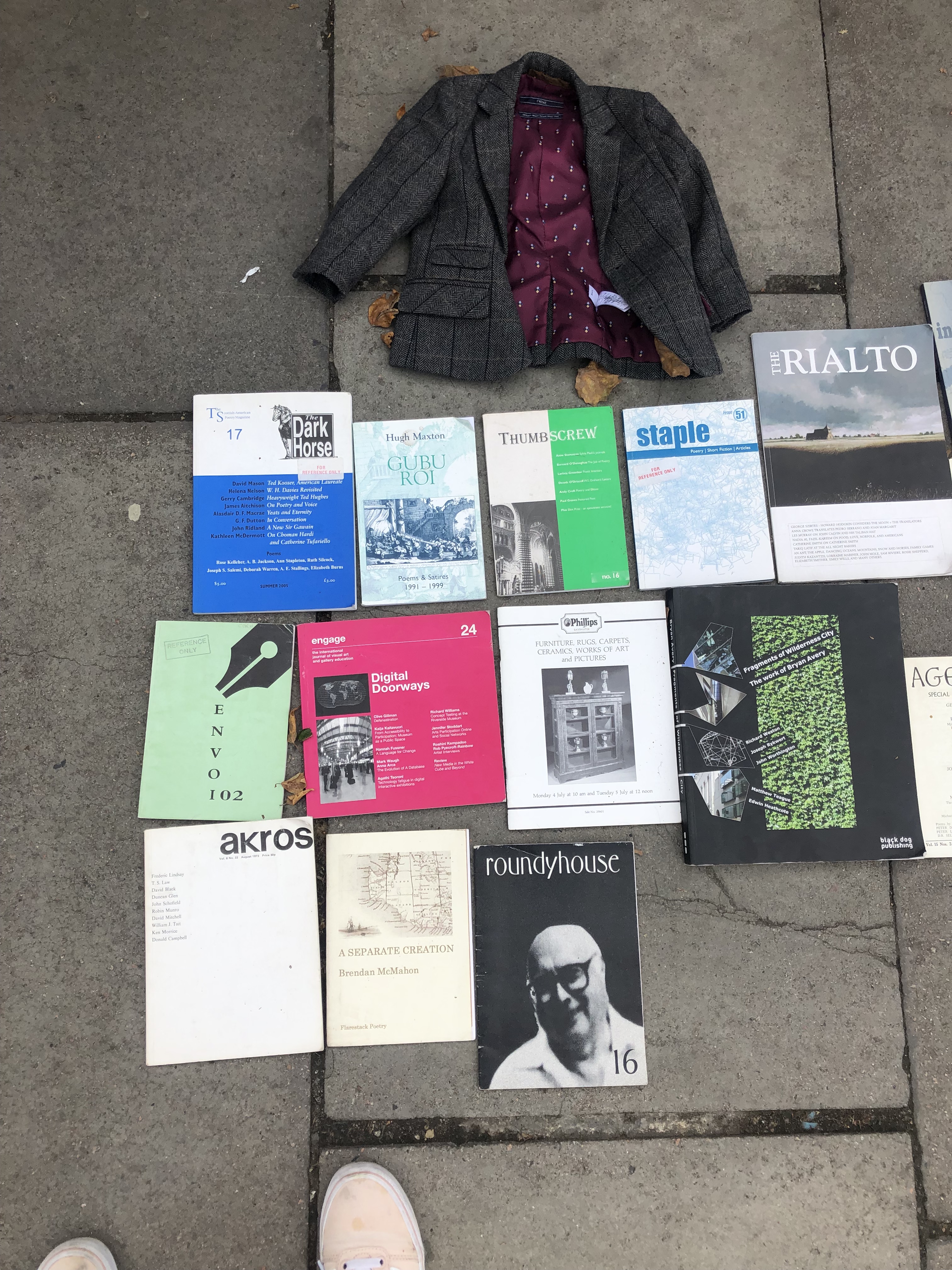
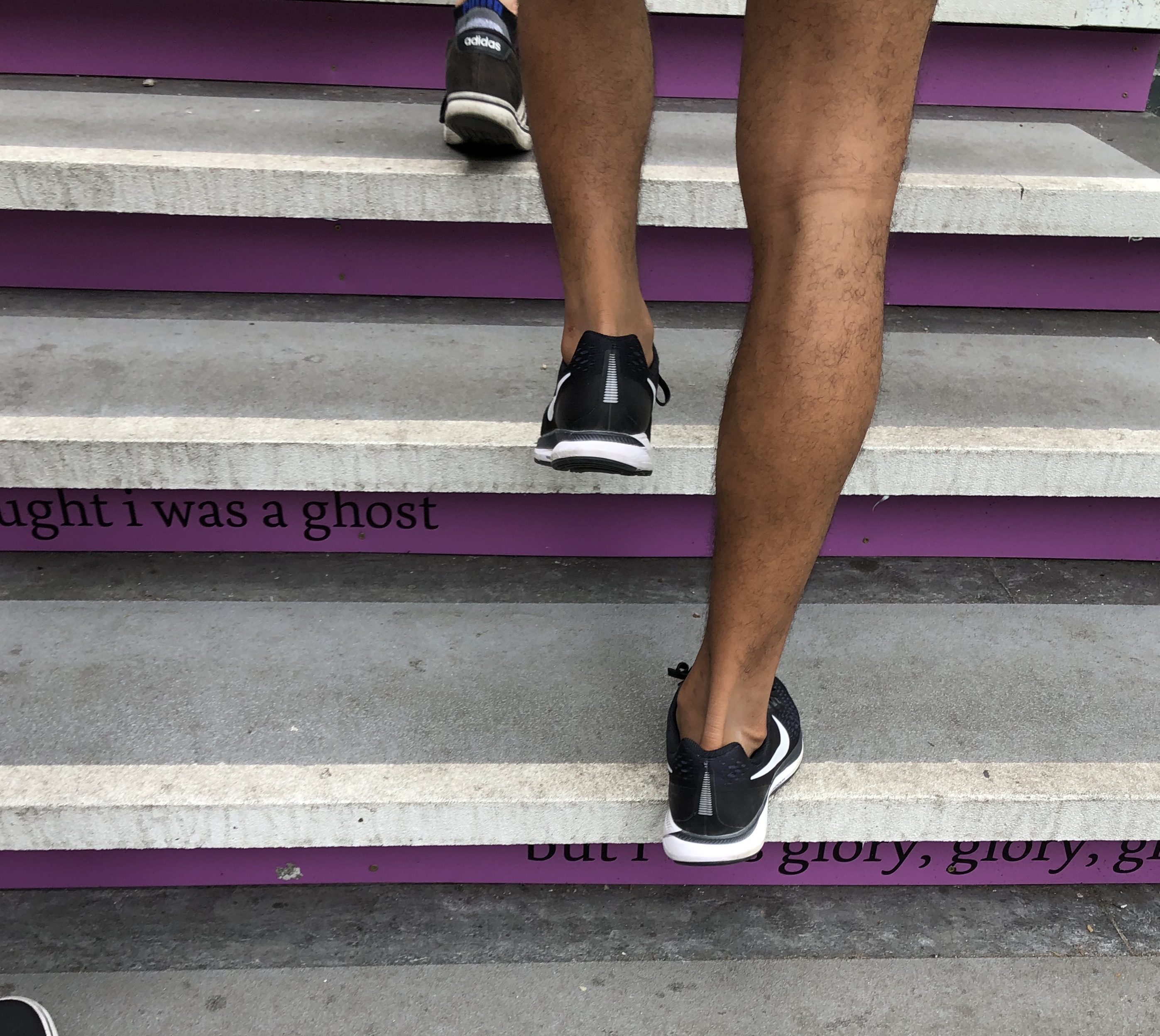
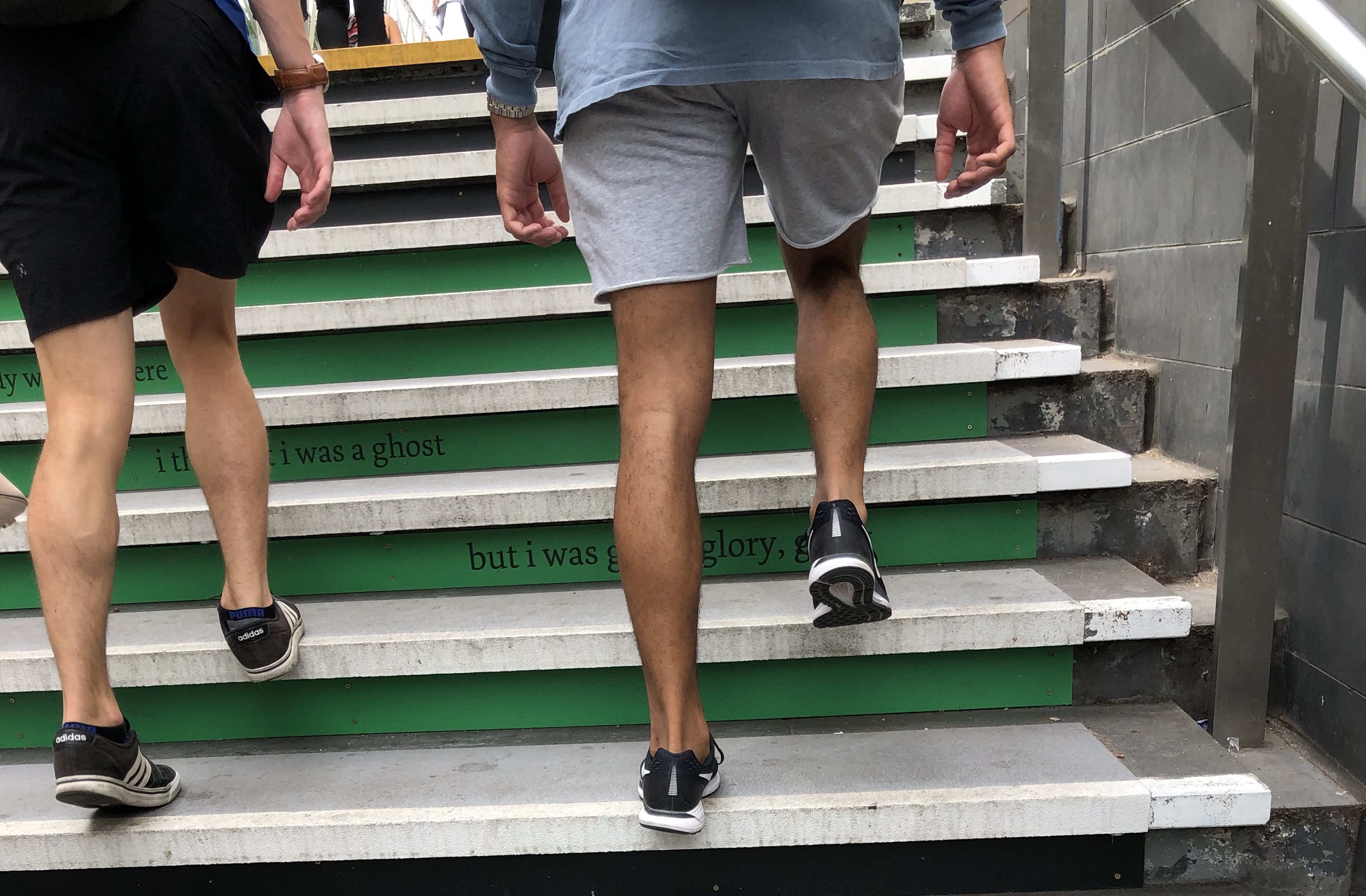
At first, I thought that it was weird that the building was so dull, and had no bright characteristics by itself. Trying to think about this in a kid’s perspective, I realized that if I was younger it wouldn’t matter how the building looked, I probably wouldn’t have even thought twice about it. The contents of the festival were so rich and colorful that it was memorable enough on its own. Borden worded this feeling that I had nicely, “as a thing, the building can tell us nothing about people’s encounters with it, or with each other within it, (…) Its significance as architecture, its aesthetic or political being, does not reside in its concrete, steal, glass, and marble elements nor in their combination, but in the minds of those who have gone into it” ( 204). From the outside, one would not be able to tell the various cultures and diversities that are inside, and the quality time that people spent coming together.
My overall take from my experience here was how it was an inspiring outlet for kids to grow into a community. I thought that it was cool that the festival used diversity and art to build a community, rather than focusing on other details to draw people in, like extremely decorated buildings. There were so many different cultures and arts that blended together, and it was really cool to see how the kids got to explore different things and really find their hobbies that could even one day be their profession. The best part was that the festival was mostly free, and that there were no exclusions of people that could come and enjoy this area.
“Everyone entered by the same door, took the same flight of steps to the central space of the foyer, and was entitled to circulate wheresoever they wished within” (Borden 202).
Borden, Iain. The Unknown City: Contesting Architecture and Social Space: a Strangely Familiar Project. MIT Press, 2002.
 Architecture of Vienna